Understanding the Basics of Chinese Herbs and TCM
- 时间:
- 浏览:122
- 来源:TCM1st
If you've ever scratched your head wondering how Traditional Chinese Medicine (TCM) actually works—especially those mysterious-looking herbs your grandma swears by—you're not alone. As a wellness blogger who’s spent years diving into holistic health, I’m breaking down the real deal behind Chinese herbs and TCM in plain English (no PhD required).
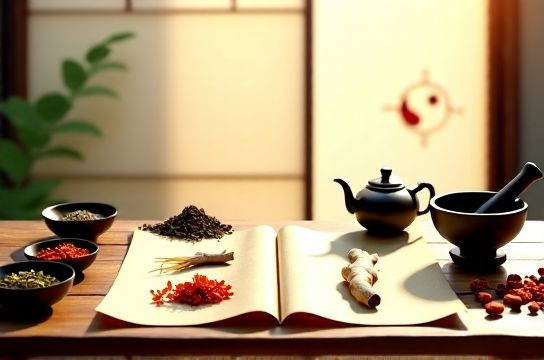
First off, TCM isn’t just about popping herbs like candy. It’s a 2,500-year-old system rooted in balance—yin and yang, qi (energy) flow, and harmony between body and nature. Unlike Western medicine that often targets symptoms, TCM treats the root cause. Think of it like fixing a leaky pipe instead of mopping the floor forever.
Popular Chinese Herbs & Their Uses
Here’s a quick cheat sheet of common herbs backed by both tradition and modern research:
| Herb (Pinyin) | Common Name | Primary Benefits | Scientific Support? |
|---|---|---|---|
| Huang Qi | Astragalus | Immune support, energy boost | ✅ Yes – studied for immune modulation |
| Dang Shen | Codonopsis | Adaptogen, fatigue reducer | ✅ Moderate – similar to ginseng |
| Bai Zhu | White Atractylodes | Digestive health, reduces bloating | ✅ Yes – anti-inflammatory effects |
| Gan Cao | Licorice Root | Soothes throat, balances formulas | ⚠️ Caution – high doses risky |
Now, here’s the kicker: most herbs are never used alone. TCM practitioners create custom formulas—often 6 to 15 herbs—to balance effects and reduce side effects. That’s why grabbing random packets off Amazon? Not the move.
TCM vs. Modern Science: Can They Coexist?
Short answer: absolutely. In fact, the World Health Organization (WHO) added TCM to its global medical compendium in 2019. Studies show acupuncture (a TCM practice) helps with chronic pain, and herbs like Andrographis (Chuan Xin Lian) are being researched for antiviral properties.
But—and this is big—not all herbal products are created equal. A 2021 study found nearly 20% of imported TCMs had contaminants or unlisted ingredients. So stick to reputable suppliers with third-party testing.
How to Start Safely
New to Chinese herbal medicine? Here’s my pro tip: consult a licensed TCM practitioner. They’ll assess your constitution (yes, that’s a real thing in TCM) and tailor a plan. Bonus: many work alongside MDs now, blending Eastern wisdom with Western diagnostics.
Also, keep your doctor in the loop—especially if you’re on meds. Some herbs interact with blood thinners or diabetes drugs.
Bottom line: TCM isn’t magic, but it’s far from myth. With roots in ancient wisdom and growing scientific validation, it’s a powerful tool when used wisely. Ready to explore? Start smart, stay curious.