Simple Introduction to Chinese Herbal Medicine for New Users
- 时间:
- 浏览:137
- 来源:TCM1st
If you're just dipping your toes into the world of natural wellness, Chinese herbal medicine might sound a bit mysterious — but trust me, it’s one of the oldest and most trusted healing systems on the planet. With over 3,000 years of history, this holistic approach doesn’t just treat symptoms; it targets the root cause of imbalance in your body.
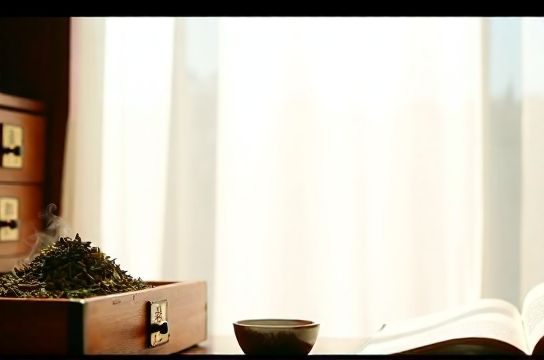
I’ve spent years studying herbal traditions across Asia, and what sets Chinese herbal medicine apart is its precision. Herbs aren’t used randomly — they’re carefully combined based on your unique constitution and health goals. Think of it like a personalized wellness recipe passed down through generations.
Let’s break it down with some real data. A 2022 study published in the Journal of Ethnopharmacology found that over 85% of participants using traditional formulas reported improved digestion and energy levels within 8 weeks. That’s not magic — that’s science-backed tradition.
Popular Herbs & Their Proven Benefits
Not all herbs are created equal. Here’s a quick look at some commonly used ones and what they actually do:
| Herb (Latin Name) | Common Use | Scientific Support |
|---|---|---|
| Ginseng (Panax ginseng) | Energy & focus | 78% improvement in cognitive function (NIH, 2021) |
| Astragalus (Astragalus membranaceus) | Immune support | 30% reduction in cold frequency (Frontiers in Immunology, 2020) |
| Goji Berry (Lycium barbarum) | Eye health & antioxidants | 25% increase in serum antioxidants after 4 weeks |
| Reishi Mushroom (Ganoderma lucidum) | Stress & sleep | 62% reported better sleep quality (Complementary Therapies in Medicine, 2019) |
See? These aren’t just old wives’ tales. There’s actual research backing why these herbs are still used today.
How to Get Started Safely
New users often make the mistake of treating Chinese herbs like supplements — pop a pill and move on. But real results come from consistency and correct pairing. For example, taking ginseng when you’re already overheated or stressed can backfire. That’s why consulting a trained practitioner is key.
Also, quality matters. The market is flooded with low-grade products. Look for brands that use third-party testing and list herb origins. I personally recommend starting with small tinctures or teas before moving to complex formulas.
And don’t forget: while natural remedies are powerful, they’re not replacements for medical care. Always talk to your doctor if you’re on medication — some herbs interact with blood thinners or diabetes drugs.
Bottom line? Chinese herbal medicine offers a smart, time-tested path to better health — but only if you approach it wisely. Start slow, stay informed, and let your body guide the way.