Safety First Understanding Herb Interactions and Risks
- 时间:
- 浏览:138
- 来源:TCM1st
Let’s be real — herbal supplements aren’t just trendy wellness buzzwords. Millions of people use them daily for energy, sleep, immunity, or stress relief. But here’s the truth bomb: natural doesn’t always mean safe. As someone who’s spent years reviewing clinical data and helping clients navigate supplement choices, I’ve seen how easily herb interactions can sneak up on you — especially if you’re on medication or managing a health condition.
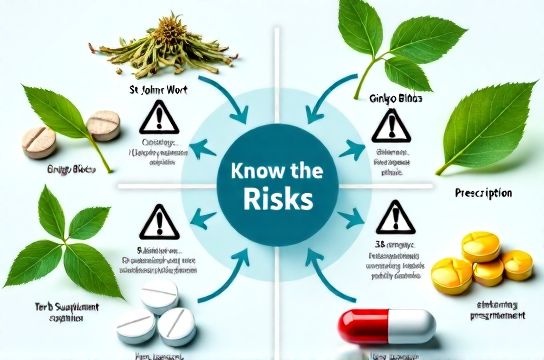
Why Herb Safety Matters More Than You Think
Just because it’s from a plant doesn’t mean it won’t mess with your meds. Herbs contain active compounds that interact with liver enzymes (especially CYP450), which process drugs in your body. This can either boost a drug’s effect to dangerous levels or weaken it completely.
Take St. John’s Wort — a popular mood support herb. Sounds harmless, right? Wrong. It speeds up drug metabolism and can reduce the effectiveness of birth control, antidepressants, and even blood thinners like warfarin by over 40% (Source: National Institutes of Health).
Top 5 Risky Herb-Drug Combos You Should Avoid
Here’s a quick-reference table based on FDA and NIH clinical reports:
| Herb | Common Use | Risky With | Potential Effect |
|---|---|---|---|
| St. John’s Wort | Mood support | Antidepressants, Birth Control | Reduced drug efficacy, unintended pregnancy |
| Ginkgo Biloba | Memory & circulation | Blood thinners (e.g., aspirin, warfarin) | Increased bleeding risk |
| Garlic (high-dose) | Immunity & heart health | Warfarin, HIV meds | Bleeding, reduced drug absorption |
| Goldenseal | Immune booster | Digoxin, antihistamines | Toxic buildup in bloodstream |
| Valerian Root | Sleep aid | Sedatives, alcohol | Excessive drowsiness, impaired coordination |
These aren’t scare tactics — they’re documented cases. A 2022 study in The Journal of Clinical Pharmacy found that nearly 1 in 3 supplement users were at risk of a moderate-to-severe interaction due to lack of awareness.
How to Stay Safe: My Pro Tips
First, talk to your doctor — yes, even about ‘natural’ stuff. Second, check trusted databases like the LiverTox database or NIH Office of Dietary Supplements before mixing herbs and meds.
Also, consider timing. Some interactions can be minimized by spacing out doses. For example, taking calcium supplements 2–4 hours apart from thyroid meds prevents interference.
Last tip: Stick to third-party tested brands (look for USP or NSF labels). Contamination and mislabeling are real problems in the supplement world.
Final Word
Herbs can be powerful allies — but only when used wisely. Don’t assume safety based on branding or influencer hype. Do your homework, prioritize herb safety, and treat supplements like what they are: bioactive substances with real effects.