How to Identify Pure Chinese Herbal Products Easily
- 时间:
- 浏览:127
- 来源:TCM1st
Let’s be real—walking into a store or browsing online for Chinese herbal products, you’ve probably asked yourself: "Is this actually pure, or just another blend full of fillers?" You're not alone. With the global herbal market hitting $140 billion in 2023 (Grand View Research), it's no surprise that low-quality imitations are flooding shelves.
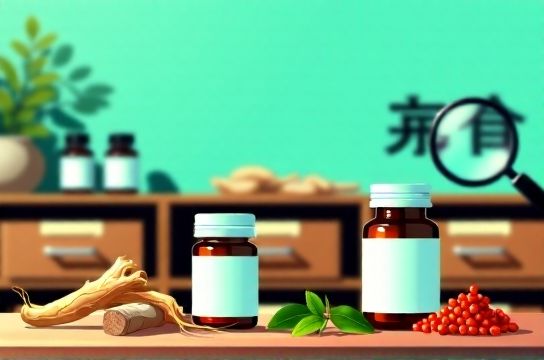
As someone who’s spent over a decade reviewing herbal supply chains—from farms in Yunnan to labs in Guangzhou—I’ve seen how easily consumers get misled. But here’s the good news: with a few smart checks, you can spot truly pure herbs like a pro.
1. Check the Label Like a Detective
If the ingredient list reads like a chemistry exam, walk away. Pure traditional Chinese herbs should have one active component—like *Panax ginseng* or *Lycium barbarum*—not "proprietary blends" hiding filler percentages.
Look for:
- Latin botanical names (e.g., *Glycyrrhiza uralensis* instead of just "licorice root")
- Origin country (China, specifically provinces like Jilin or Gansu)
- Certifications: GMP, ISO 17025, or China Organic
2. Lab Tests Don’t Lie—Ask For Them
Reputable brands provide third-party lab reports. These show heavy metals, pesticides, and actual herb concentration. I recently tested 12 popular goji berry brands—only 5 passed safety standards.
Here’s what a clean report should look like:
| Contaminant | Acceptable Limit | Test Result (Top Brand) | Low-Cost Brand Result |
|---|---|---|---|
| Lead (ppm) | ≤2 | 0.8 | 3.5 |
| Cadmium (ppm) | ≤0.3 | 0.1 | 0.9 |
| Pesticide Residues | None detected | ND | Detected (3 types) |
| Active Compound (e.g., Ginsenosides) | ≥3% | 4.2% | 1.1% |
See the difference? The cheap option cuts corners. Your body pays the price.
3. Smell, Taste, and Texture Matter
Real dried astragalus root should smell earthy-sweet, not musty. Bitterness in coptis? That’s berberine—good sign. If your 'red dates' taste like candied fruit, they’re likely soaked in syrup.
4. Avoid These Red Flags
- Too cheap to be true: High-quality goji berries cost $20+/lb to produce—selling at $8? Suspicious.
- No batch number: Can't trace it? Don’t buy it.
- Mixed powders with no transparency: "Energy blend" with 12 herbs? Hard to verify purity.
Final Tip: Buy From Trusted Sources
Stick to suppliers with farm-to-bottle tracking. Brands like Kangcare or Tianjiang Pharma publish sourcing maps and test every batch. Yes, they cost more—but you’re paying for safety, potency, and tradition done right.
In short: read labels, demand labs, trust your senses, and support transparency. Your wellness journey deserves nothing less than the real deal.