Herbal Safety Tips Every Beginner Should Follow
- 时间:
- 浏览:142
- 来源:TCM1st
So you’re diving into the world of herbal remedies — welcome to the jungle! 🌿 Whether you're swapping ibuprofen for turmeric or trying ashwagandha for stress, herbs can be powerful allies. But here's the tea: just because something is "natural" doesn’t mean it’s automatically safe. As someone who’s spent over a decade reviewing clinical data and working with herbalists, I’ve seen how small mistakes can lead to big problems.
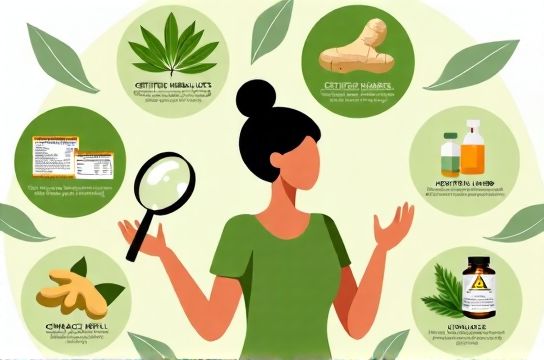
Know Your Source (And I Don’t Mean Just the Store)
Not all herbs are created equal. A 2021 study by JAMA Internal Medicine found that nearly 30% of herbal supplements didn’t contain the ingredients listed on the label — some had fillers, others had contaminants. That’s why sourcing matters. Look for brands certified by third parties like USP, NSF, or ConsumerLab.
Here’s a quick breakdown of what to watch for:
| Certification | Tests For | Reliability Score |
|---|---|---|
| USP Verified | Potency, purity, label accuracy | 9/10 |
| NSF Certified | Contaminants, banned substances | 8.5/10 |
| No Certification | Rarely tested | 4/10 |
Pro tip: Click through to herbal safety guidelines for a printable checklist when shopping.
Interactions Are Real — Yes, Even With ‘Natural’ Stuff
Let’s talk about one of my biggest pet peeves: people assuming herbs don’t interact with medications. Spoiler: they do. St. John’s Wort, a popular mood support herb, can reduce the effectiveness of birth control, antidepressants, and even blood thinners.
Another common mix-up? Combining valerian root with prescription sedatives. Both slow your nervous system — together, they might slow it too much. Always consult your doctor, especially if you're on chronic meds.
If you're new to this game, start with low doses and keep a journal. Track how you feel daily — energy levels, sleep quality, digestion. This isn’t just hippie advice; it’s how pros monitor herbal remedy risks in clinical settings.
Dosage Isn’t One-Size-Fits-All
Just because your BFF swears by 1,000mg of echinacea doesn’t mean you need the same. Body weight, metabolism, and health status all affect how herbs work. The NIH recommends starting at the lowest effective dose and increasing slowly.
And beware of “more is better” thinking. Some herbs, like kava, have been linked to liver damage when used long-term or in high amounts.
Final Word: Be Smart, Not Scared
Herbs can be amazing tools for wellness — but only if used wisely. Do your research, buy clean products, and never skip the conversation with your healthcare provider. Think of it like upgrading from amateur night to pro league.