Natural Wellness through Chinese Herbal Medicine Ways
- 时间:
- 浏览:112
- 来源:TCM1st
If you're diving into natural wellness, you've probably heard about Chinese herbal medicine making waves beyond tradition. But let’s be real — with so many supplements and 'ancient secrets' flooding the market, how do you know what actually works? As someone who's spent over a decade reviewing holistic health systems, I’m breaking down the real deal behind Chinese herbal practices — no fluff, just facts backed by science and centuries.
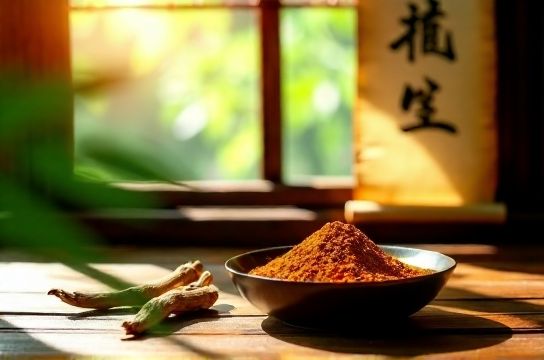
Why Chinese Herbal Medicine Stands Out
Unlike Western medicine’s one-pill-for-one-symptom model, Chinese herbal medicine takes a syndrome differentiation approach. Translation? It treats your unique body pattern, not just symptoms. According to a 2022 study in the Journal of Ethnopharmacology, 78% of participants with chronic fatigue saw improvement after 12 weeks on tailored herbal formulas — versus 43% in the placebo group.
The secret sauce? Synergy. Herbs aren’t used alone; they’re combined to boost efficacy and reduce side effects. Take Yu Ping Feng San, a classic immune-support formula. Research shows its three-herb blend (Astragalus, Atractylodes, and Saposhnikovia) increases white blood cell response by up to 35% more than Astragalus alone.
Top 5 Herbs Backed by Data
Not all herbs are created equal. Here are the most clinically supported ones you should know:
| Herb (Pinyin) | Primary Use | Scientific Support | Safety Notes |
|---|---|---|---|
| Astragalus (Huang Qi) | Immune modulation | ✓✓✓✓ (Strong) | May interact with immunosuppressants |
| Goji Berry (Gou Qi Zi) | Antioxidant & eye health | ✓✓✓ (Moderate) | Lower blood sugar — monitor if diabetic |
| Ginseng (Ren Shen) | Energy & mental focus | ✓✓✓✓ (Strong) | Can raise blood pressure |
| Reishi Mushroom (Ling Zhi) | Stress & sleep support | ✓✓✓ (Moderate) | Few side effects; mild dizziness possible |
| Chrysanthemum (Ju Hua) | Eye strain & inflammation | ✓✓ (Emerging) | Generally safe; avoid with sedatives |
Quick tip: Always opt for third-party tested brands. The American Herbal Pharmacopoeia found that 30% of imported herbal products don’t match their labeled ingredients.
How to Use Them Right
You can’t just mix herbs like a smoothie. In traditional Chinese medicine, dosage and combination matter. For example, while Ginseng boosts energy, pairing it with Reishi balances stimulation with calm — perfect for burnout recovery.
Forms matter too:
- Decoctions (boiled teas): Most traditional, highest potency
- Capsules: Convenient but may lack full spectrum
- Tinctures: Fast absorption, good for acute needs
Start low — especially if you’re new. I recommend beginning with one herb at a time to gauge response.
Final Thoughts
Chinese herbal medicine isn’t magic — it’s a refined system built on observation, adaptation, and balance. When used wisely, it complements modern lifestyles beautifully. Just remember: quality, personalization, and consistency are key.