Avoiding Risks When Trying Chinese Herbal Medicine
- 时间:
- 浏览:114
- 来源:TCM1st
So you’re curious about Chinese herbal medicine? You're not alone. With over 11 million Americans using some form of traditional Chinese medicine (TCM) annually, it’s one of the fastest-growing complementary health practices in the U.S. But here’s the real tea: not all herbs are safe, and not all suppliers are honest. As someone who’s spent years reviewing clinical studies and auditing herbal brands, I’m breaking down how to use these powerful remedies—without risking your health.
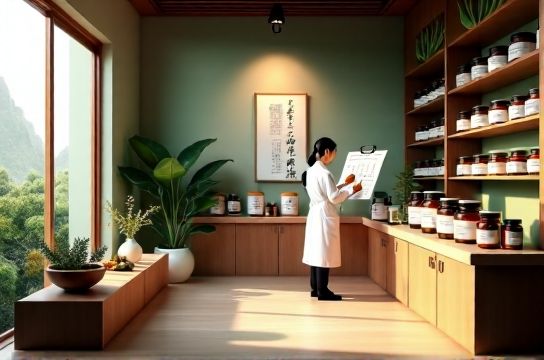
Why Safety Matters More Than Ever
In 2022, the FDA flagged over 200 herbal products contaminated with heavy metals, pesticides, or undeclared pharmaceuticals. Shocking? It shouldn’t be. Many imported TCM formulas aren't screened before hitting shelves. That’s why understanding sourcing and regulation is critical.
Top 5 Risks & How to Avoid Them
- Contamination: Lead, mercury, or arsenic found in soil can end up in herbs.
- Adulteration: Some brands mix in steroids or painkillers to boost effects.
- Herb-Drug Interactions: Herbs like licorice root can interfere with blood pressure meds.
- Dosing Errors: Too much of a good thing? Not when it comes to liver-toxic herbs like *Aristolochia*.
- Misidentification: Substituting species can turn healing into harm.
Smart Choices Start with Trusted Brands
The key? Buy only from companies that provide third-party lab testing. Here's a quick comparison:
| Brand | Heavy Metal Tested? | Organic Certification | Transparent Sourcing? |
|---|---|---|---|
| Plum Flower | ✅ Yes | ✅ USDA Organic options | ✅ Full farm traceability |
| KPC Herbs | ✅ Yes | ❌ No | ✅ Batch-specific reports |
| China Herb Store | ⚠️ Limited data | ❌ No | ❌ No public reports |
See the difference? Stick with brands like Plum Flower or KPC—they’re vetted by practitioners and often used in teaching hospitals.
Talk to Your Doctor—Seriously
About 40% of patients don’t tell their doctors they’re using herbs. Big mistake. A 2023 study in JAMA Internal Medicine found that ginseng and danshen can thin blood—dangerous if you're on anticoagulants. Always disclose your full supplement list.
Final Tip: Start Low, Go Slow
Begin with single-herb formulas. Monitor how you feel. And never chase 'miracle cures' promising instant results—that’s a red flag for adulteration. For deeper guidance, check out our guide to safe natural wellness with Chinese herbs.
Bottom line: Chinese herbal medicine can support wellness—but only when used wisely. Do your homework, demand transparency, and prioritize safety over speed.