Science Behind Herbal Medicine and Chinese Traditions
- 时间:
- 浏览:145
- 来源:TCM1st
If you've ever sipped ginger tea for nausea or used turmeric in your curry for its anti-inflammatory punch, you’ve dabbled in herbal medicine — whether you realized it or not. But how much of it is just folklore, and how much is backed by real science? Let’s dive into the science behind herbal medicine and its deep roots in Chinese traditions.
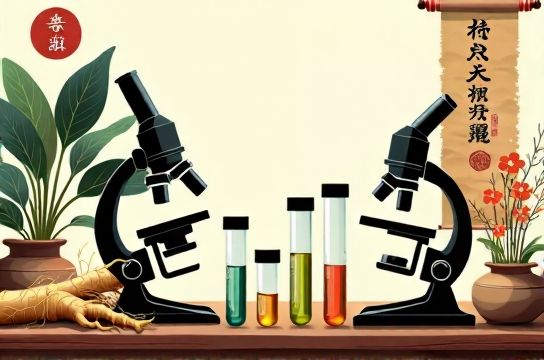
For over 3,000 years, Traditional Chinese Medicine (TCM) has used herbs like ginseng, astragalus, and goji berries to balance the body’s energy, or “qi.” Today, modern research is starting to catch up. According to a 2022 review in Nature Communications, more than 40% of approved pharmaceuticals originate from natural compounds — many inspired by traditional remedies.
Take artemisinin, for example. Isolated from sweet wormwood (Artemisia annua), a herb used in TCM for fevers, it’s now a frontline treatment for malaria. The discovery earned Tu Youyou the Nobel Prize in 2015. That’s not luck — that’s centuries of observational wisdom meeting modern validation.
But not every herb delivers. Here’s a quick breakdown of popular TCM herbs and what the data says:
| Herb | Traditional Use | Scientific Support | Key Compounds |
|---|---|---|---|
| Ginseng | Energy, immunity | Strong (RCTs show improved cognition & fatigue) | Ginsenosides |
| Astragalus | Immune tonic | Moderate (immune-modulating effects in vitro) | Astragalosides |
| Goji Berry | Vision, longevity | Limited (antioxidants present, but human trials weak) | Zeaxanthin, polysaccharides |
| Reishi Mushroom | Stress, sleep | Preliminary (anxiolytic effects in animal models) | Triterpenes, beta-glucans |
Now, here’s where things get tricky: standardization. Unlike FDA-approved drugs, herbal supplements aren’t required to prove potency or purity. A 2020 study by ConsumerLab found that 1 in 3 herbal products didn’t contain the listed ingredient — or had contaminants. That’s why sourcing matters. Look for brands with third-party testing and transparent supply chains.
Another key factor? Synergy. In TCM, herbs are rarely used alone. Formulas like Liu Wei Di Huang Wan combine six herbs to support kidney health. Research suggests these combinations may work better together — a concept called “herbal synergy” — though more clinical trials are needed.
So, should you trust Chinese herbal traditions? The answer isn’t yes or no — it’s ‘ask the right questions.’ Is there peer-reviewed evidence? Is the product tested? And most importantly — does it work for YOU?
Bottom line: the science behind herbal medicine isn’t magic. It’s evolving. Respect the tradition, demand the data, and let both guide your choices.