Ensuring Purity When You Buy Herbal Medicines
- 时间:
- 浏览:117
- 来源:TCM1st
If you're looking to buy herbal medicines that actually work, here’s the real talk: not all products are created equal. As someone who’s spent years reviewing natural remedies and testing brands (both in the lab and in real life), I’ve seen how often consumers get duped by flashy labels and false 'organic' claims. The truth? Only about 26% of herbal supplements on major retail shelves contain exactly what their label promises, according to a 2023 study by ConsumerLab.com.
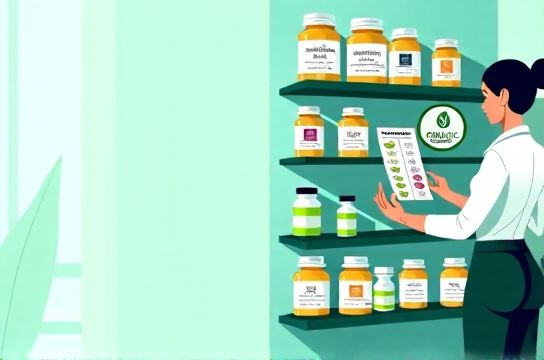
So how do you ensure purity when you buy herbal medicines? Let me break it down with hard-earned tips—and yes, some actual data.
Look for Third-Party Testing – It’s Non-Negotiable
The biggest red flag? No certificate of analysis (CoA). Reputable brands have their batches tested by independent labs for potency, contaminants, and adulterants. If you can’t find a CoA on their website or upon request, walk away.
Here’s a quick comparison of popular herbal supplement types and their contamination risks based on FDA and USP surveys:
| Herb | Adulteration Rate | Common Contaminants | Recommended Certification |
|---|---|---|---|
| Curcumin (Turmeric) | 42% | Starch, fillers, synthetic dyes | USP Verified |
| Echinacea | 30% | Wrong plant species | NSF International |
| Ginkgo Biloba | 38% | Sugar syrups, maltodextrin | ConsumerLab Approved |
| Ashwagandha | 25% | Heavy metals, solvents | UL Certified |
See the pattern? Even widely trusted herbs are frequently cut with cheap fillers or mislabeled. That’s why your go-to move should be checking for certifications. Brands like Gaia Herbs, NOW Foods, and Herb Pharm consistently pass third-party audits.
Beware of “Proprietary Blends” – They’re Often Smokescreens
If a product lists a 'proprietary herbal blend' without disclosing exact amounts of each herb, that’s a warning sign. Transparency matters. You can’t assess efficacy or safety if you don’t know how much of each ingredient you’re actually consuming.
Check the Source – Geography Matters
Where an herb is grown affects its chemical profile. For example, ashwagandha from India typically has higher withanolide content (the active compound) than versions grown elsewhere. Similarly, echinacea sourced from North America tends to be more potent.
Final Tip: Use Reverse Image Search on Labels
Yes, really. Some sketchy sellers copy labels from top brands. Do a quick reverse image search on the packaging. If identical designs pop up under different brand names? Major scam alert.
In short, if you want to buy herbal medicines that deliver real benefits, treat it like buying organic produce—know your source, demand proof, and never trust marketing hype over data. Your body will thank you.