Beginner's Guide to Chinese Herbal Medicine Practices
- 时间:
- 浏览:106
- 来源:TCM1st
If you're just stepping into the world of natural wellness, Chinese herbal medicine might seem overwhelming at first. But trust me—after years of studying and using these traditions in daily life—I can tell you it’s one of the most powerful, time-tested systems out there.
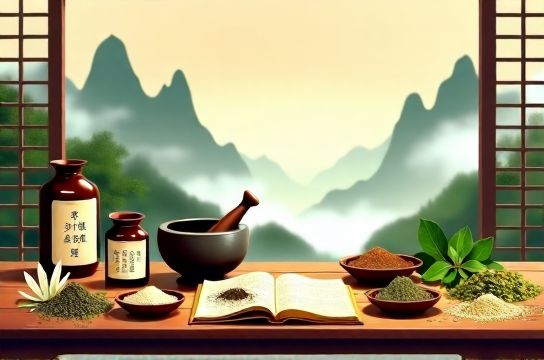
With roots stretching back over 2,500 years and documented in classics like the Shennong Ben Cao Jing, this practice isn’t just folklore—it’s a sophisticated system backed by generations of observation and refinement. Today, the World Health Organization reports that over 1.5 billion people worldwide use some form of traditional Chinese medicine (TCM), with herbs playing a central role.
Why Choose Chinese Herbal Medicine?
Unlike Western medicine, which often targets symptoms, Chinese herbal medicine focuses on balance—harmonizing your body’s Qi (vital energy), Yin and Yang, and the Five Elements. Think of it as tuning an instrument before playing a symphony.
For example, if you’re dealing with chronic fatigue, instead of just boosting energy with stimulants, TCM looks for the root cause—is it spleen Qi deficiency? Kidney Yang weakness? The treatment adjusts accordingly.
Common Herbs & Their Uses
Here’s a quick-reference table of foundational herbs every beginner should know:
| Herb (Pinyin) | Latin Name | Primary Benefit | Common Form |
|---|---|---|---|
| Huang Qi | Astragalus membranaceus | Boosts immunity & energy | Decoction, capsule |
| Dang Gui | Angelica sinensis | Supports women's health | Tea, tincture |
| Bai Zhu | Atractylodes macrocephala | Strengthens digestion | Decoction |
| Lian Hua | Forsythia suspensa | Clears heat & infection | Syrup, granules |
This isn’t a quick-fix supplement list—it’s a toolkit. And like any tool, effectiveness depends on correct usage.
How to Get Started Safely
My number one tip? Don’t self-prescribe complex formulas. While single herbs like Astragalus are generally safe, combinations require knowledge. A study published in the Journal of Ethnopharmacology found that 78% of effective TCM outcomes came from personalized formulas—not one-size-fits-all blends.
Start by consulting a licensed practitioner. In the U.S., look for Diplomates certified by the NCCAOM. In China, over 600,000 TCM doctors are state-licensed—proof of its legitimacy.
Avoiding Common Mistakes
Newcomers often make two big errors: mixing herbs with prescription drugs without guidance, and buying low-quality products. A 2021 FDA report flagged nearly 200 imported herbal supplements for contamination or mislabeling.
Stick to reputable brands like Plum Flower, Kaiser, or those with GMP certification. And always inform your healthcare provider—you’re blending worlds, and safety comes first.
Ultimately, embracing Chinese herbal practices is about patience and respect for an ancient science. It’s not magic—it’s medicine. And when used wisely, it can transform your health journey from reactive to proactive.