How Chinese Herbs Are Sourced and Processed Naturally
- 时间:
- 浏览:156
- 来源:TCM1st
If you've ever sipped on a cup of goji berry tea or taken a traditional remedy for seasonal allergies, chances are you’ve benefited from Chinese herbs. But have you ever wondered how these natural remedies go from mountain slopes to your medicine cabinet? Let’s pull back the curtain on the fascinating journey of Chinese herbal sourcing and processing — and why it matters for quality and safety.
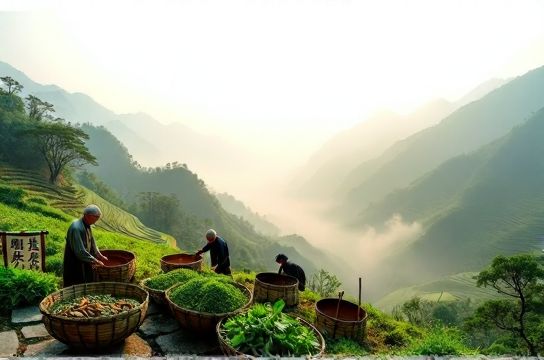
China is home to over 12,000 species of medicinal plants, according to the State Administration of Traditional Chinese Medicine. Of these, around 300 are commonly used in daily practice. The key to their effectiveness lies not just in the plant itself, but in how and where it’s grown, harvested, and processed.
From Soil to Shelf: The Life Cycle of Chinese Herbs
Most high-quality herbs are cultivated in specific regions known as daodi (literally 'authentic origin'). These areas offer the ideal climate, soil, and elevation. For example, Rehmannia glutinosa thrives in Henan Province, while Astragalus membranaceus is best grown in Inner Mongolia.
Harvesting times are equally precise. Many roots are dug up in autumn when active compounds peak. Leaves? Picked in spring. Flowers? Just before full bloom. Miss the window, and potency drops — sometimes by over 30%, studies suggest.
Processing Matters: More Than Just Drying
You might think herbs are just air-dried and bagged. Nope. Traditional processing — called pao zhi — can involve steaming, stir-baking with honey or vinegar, or even fermenting. This isn’t for show: it reduces toxicity, enhances absorption, or targets specific health benefits.
Take fresh rehmannia vs. prepared rehmannia: the latter is steamed nine times, turning it black and boosting its ability to nourish blood — a staple in women’s wellness formulas.
| Herb | Primary Region | Harvest Season | Key Active Compound | Potency Increase After Processing |
|---|---|---|---|---|
| Astragalus | Inner Mongolia | Autumn | Astragaloside IV | ~25% |
| Goji Berry | Ningxia | Late Summer | Zeaxanthin | ~10% (sun-dried) |
| Rehmannia (Prepared) | Henan | Autumn | Catalpol | Up to 40% |
As you can see, proper handling makes a measurable difference. That’s why reputable suppliers invest in Good Agricultural and Collection Practices (GACP) certification — a global standard ensuring sustainability and purity.
Spotting Quality: What to Look For
Not all natural Chinese herbs are created equal. Here’s your quick checklist:
- Origin transparency – Does the label name the region?
- Third-party testing – Look for heavy metal and pesticide screening.
- Traditional processing notes – E.g., “honey-fried licorice” means it’s been optimized for lung support.
In a 2022 study published in Frontiers in Pharmacology, nearly 18% of imported herbal products failed contaminant tests — mostly due to unregulated supply chains. Stick with brands that trace every batch back to the farm.
The bottom line? Real efficacy starts long before you take the first dose. It starts in the soil, the season, and the skilled hands that prepare each root, leaf, and berry. When you choose wisely, you’re not just buying an herb — you’re honoring centuries of wisdom.