Sustainable Harvesting of Chinese Medicinal Herbs Explained
- 时间:
- 浏览:116
- 来源:TCM1st
If you're into natural health or traditional Chinese medicine (TCM), you’ve probably heard about the rising demand for Chinese medicinal herbs. But here’s the real tea: not all harvesting practices are created equal. As someone who’s spent years consulting with TCM farms and sustainability experts, I’m breaking down how to ethically and effectively harvest these powerful plants—without wrecking ecosystems.
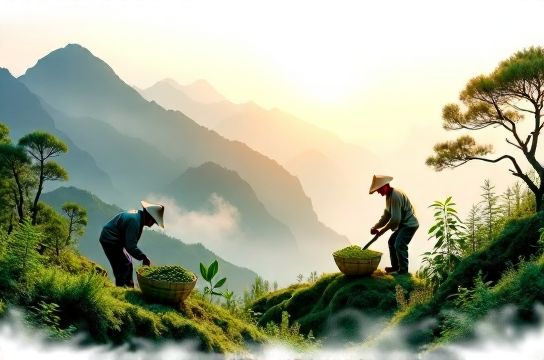
Why Sustainable Harvesting Matters
Chinese medicinal herbs like ginseng, astragalus, and cordyceps have been used for over 2,000 years. But today’s mass demand is pushing wild populations to the brink. According to a 2022 report by the China Conservation and Research Center for the Giant Panda, over 60% of wild medicinal herb species are now endangered due to overharvesting and habitat loss.
The good news? Sustainable farming and wild-simulated growing methods are stepping up. These approaches protect biodiversity while ensuring potent, high-quality herbs.
Top 5 Herbs at Risk & Their Sustainable Alternatives
Here’s a quick snapshot of which herbs are struggling in the wild—and what’s being done:
| Herb | Wild Status | Sustainable Yield Increase (2015–2023) | Recommended Source |
|---|---|---|---|
| Panax ginseng (Asian Ginseng) | Endangered | +140% | Cultivated, Jilin Province |
| Astragalus membranaceus | Vulnerable | +95% | Wild-simulated farms |
| Cordyceps sinensis | Critically Endangered | +200% (lab-grown) | Fermentation-cultured |
| Dendrobium spp. (Shihu) | Endangered | +110% | Greenhouse hydroponics |
| Schisandra chinensis | Near Threatened | +75% | Organic forest farms |
As you can see, innovation is happening fast—especially in lab-grown and greenhouse environments. For example, cultured cordyceps now delivers the same bioactive compounds (like cordycepin) as wild versions but without damaging alpine ecosystems.
Best Practices in Sustainable Harvesting
- Rotational Wild Harvesting: Only collect 25% of a wild patch, leaving roots and reproductive plants intact.
- Geographic Indication (GI) Certification: Look for herbs labeled with GI tags (e.g., “Changbai Mountain Ginseng”)—they follow strict regional sustainability standards.
- Third-Party Testing: Reputable suppliers now provide COAs (Certificates of Analysis) showing heavy metal and pesticide levels.
How Consumers Can Help
Your buying choices matter. Opt for brands that disclose sourcing and support reforestation. A 2023 survey by the World Health Organization found that consumers who prioritize sustainability are 3x more likely to stick with herbal regimens long-term.
In short: sustainable harvesting isn’t just eco-friendly—it leads to cleaner, more consistent, and more effective herbs. So next time you stock up, ask: Where did this really come from?