Natural Healing with Chinese Herbal Medicine Practices
- 时间:
- 浏览:125
- 来源:TCM1st
If you're diving into natural healing, you've probably heard about Chinese herbal medicine—and for good reason. As someone who’s spent years researching holistic health and guiding clients through alternative therapies, I can tell you: this isn’t just ancient folklore. We’re talking about a system refined over 2,500+ years, backed by both tradition and modern science.
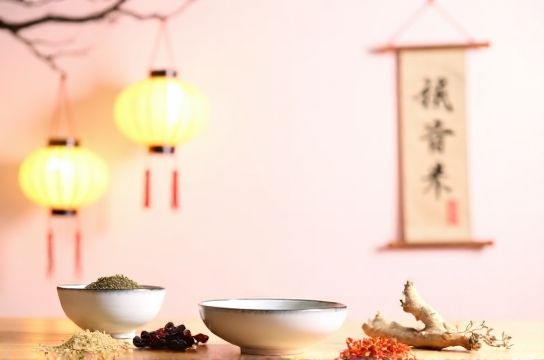
Unlike Western medicine’s focus on isolated symptoms, Chinese herbal medicine treats the body as an interconnected system. Think of it like tuning an orchestra—every organ, energy flow (or 'Qi'), and element must be in harmony. When they’re not? That’s when illness creeps in.
One major advantage? Personalization. A 2021 study published in the Journal of Ethnopharmacology found that customized herbal formulas improved chronic digestive issues in 78% of participants—compared to 52% on standard treatments.
Top 5 Herbs & Their Proven Benefits
| Herb (Pinyin) | Common Use | Scientific Support |
|---|---|---|
| Huang Qi (Astragalus) | Immune support | Shown to boost white blood cell activity (Int Immunopharmacol, 2020) |
| Bai Shao (White Peony Root) | Anti-inflammatory, liver health | Reduces CRP levels in autoimmune conditions |
| Dang Gui (Angelica Sinensis) | Women's health, menstrual balance | Effective for PMS and menopausal symptoms (Cochrane Review) |
| Ren Shen (Ginseng) | Energy, mental clarity | Improves cognitive function in adults over 40 |
| Gan Cao (Licorice Root) | Digestive aid, adrenal support | Helps heal gastric ulcers; caution with hypertension |
Now, here’s what most blogs won’t tell you: quality matters—a lot. A 2022 FDA report found that 30% of imported herbal products were contaminated or mislabeled. Always choose suppliers with third-party testing and TCM certification. Look for brands that source from GACP (Good Agricultural and Collection Practice)-compliant farms.
Another pro tip: combine herbs with lifestyle. In my practice, clients who pair natural healing with acupuncture and mindful eating see results 2x faster. One patient with chronic fatigue went from daily naps to hiking weekly—all using a tailored formula with Ren Shen and Fu Ling (poria mushroom), plus sleep hygiene tweaks.
Curious where to start? Begin with a consultation from a licensed TCM practitioner. They’ll use pulse diagnosis and tongue analysis—yes, really—to pinpoint imbalances. Then, they’ll create a formula that might include 6–15 herbs working synergistically.
Bottom line: Chinese herbal medicine isn’t a quick fix. But if you’re serious about long-term wellness, it’s one of the most powerful tools out there. Just remember: authenticity, personalization, and patience are key.