Best Practices for Purchasing Chinese Herbs for Health
- 时间:
- 浏览:105
- 来源:TCM1st
If you're diving into natural wellness, Chinese herbs are a game-changer. But here’s the real talk: not all herbs are created equal. As someone who’s spent years reviewing herbal suppliers and studying traditional medicine, I’ve seen too many people waste money—or worse, risk their health—by buying low-quality or contaminated products.
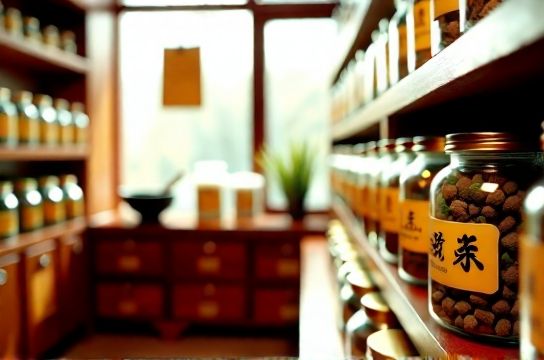
The key? Know what to look for. Let’s break down the best practices so you can shop smarter and safer.
1. Prioritize Source Transparency
Top-tier brands disclose exactly where their herbs are grown. China has over 12,000 species of medicinal plants, but only certain regions produce high-potency herbs due to soil quality and climate. For example, Rehmannia glutinosa from Henan province consistently tests higher in active compounds than generic imports.
Always check for batch-specific lab testing. Reputable companies provide third-party certificates of analysis (CoA) showing purity, heavy metals, pesticides, and microbial content.
2. Understand Processing Methods
Raw herbs vs. granules vs. capsules—each has pros and cons. Here's a quick comparison:
| Type | Shelf Life | Potency Retention | Convenience |
|---|---|---|---|
| Raw Dried Herbs | 12–18 months | High | Moderate |
| Herbal Granules | 24 months | Very High | High |
| Capsules/Tablets | 36 months | Moderate | Very High |
Granules, like those from trusted TCM brands, offer strong potency with easy dosing—ideal for daily use.
3. Watch Out for Adulteration
A 2021 study published in Phytomedicine found that 32% of imported Chinese herb samples contained undeclared fillers or substitutes. That’s huge. Always buy from suppliers compliant with GMP (Good Manufacturing Practice) and ISO 9001 standards.
Bonus tip: Avoid products labeled vaguely as “herbal blend.” Real quality means clear labeling—Latin names, part used (root, leaf, etc.), and extraction ratio if applicable.
4. Choose Sustainable & Ethical Suppliers
Overharvesting threatens species like Dendrobium and Cordyceps sinensis. Look for CITES certification or organic farming credentials. Brands investing in cultivated alternatives without sacrificing efficacy are leading the way.
In short, your health deserves more than guesswork. Whether you’re managing stress, boosting immunity, or supporting digestion, going with verified, high-standard Chinese herbs makes all the difference. Do your research, demand transparency, and never settle for shadows on a label.