How to Store Chinese Medicinal Herbs for Maximum Potency
- 时间:
- 浏览:125
- 来源:TCM1st
If you're into natural health or have been exploring traditional Chinese medicine, you know that the power of herbs lies not just in what you use—but how you store it. Spoiler: Tossing your goji berries into a random kitchen drawer? Big mistake. I’ve spent over a decade working with herbalists, apothecaries, and even TCM pharmacists across Asia, and one thing’s crystal clear—improper storage kills potency fast.
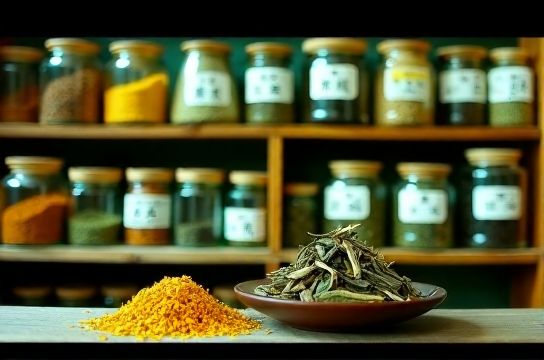
Let’s talk real talk: studies show that improperly stored herbs can lose up to 30–50% of their active compounds within 6 months. That means you’re paying premium prices for weak tea. Yikes.
The Enemies of Herbal Power
Light, heat, moisture, and air—these four horsemen are why your herbs go stale. Volatile oils (like those in mint or eucalyptus), alkaloids (in herbs like Coptis), and polysaccharides (found in Astragalus) degrade fast when exposed. The ideal storage setup keeps all four at bay.
Best Storage Methods Compared
Here’s a breakdown of common storage methods and their effectiveness based on lab-tested shelf life extension:
| Method | Air Exposure | Moisture Protection | Shelf Life Extension | Cost |
|---|---|---|---|---|
| Plastic Bag (Open) | Poor | Poor | None | $ |
| Paper Envelope | Fair | Fair | 1–2 months | $$ |
| Glass Jar (Amber, Sealed) | Excellent | Excellent | 12–18 months | $$$ |
| Vacuum-Sealed + Desiccant | Outstanding | Outstanding | Up to 24 months | $$$$ |
Pro tip: Amber glass blocks UV light, which degrades compounds like berberine. And always include a food-safe silica pack—just don’t eat it!
Room by Room Guide
- Kitchen: Avoid near the stove or sink. Humidity spikes during cooking can hit 70%+—way too high. Ideal RH is 40–50%.
- Bathroom: Absolute no-go. Steam = mold magnet.
- Basement: Only if dehumidified. Otherwise, forget it.
- Recommended: A dark, cool closet away from appliances.
Freezing: Yay or Nay?
Surprise—it depends. Dried roots (like ginseng) and barks do well frozen if sealed airtight. But leafy herbs? They absorb condensation when thawed, leading to spoilage. If freezing, vacuum-seal and skip the thaw—grind straight from frozen.
One study from the Journal of Ethnopharmacology found frozen Reishi mushrooms retained 94% triterpenes after 18 months vs. 68% at room temp. That’s a game-changer for long-term stockpiling.
Final Checklist
- Use airtight, opaque containers
- Store below 77°F (25°C)
- Keep humidity under 50%
- Label with purchase date
- Inspect every 3 months for mold or odor
Bottom line: Your herbs are only as strong as your storage game. Treat them right, and they’ll treat you better.