Comparing Modern and Traditional Chinese Herbal Practices
- 时间:
- 浏览:144
- 来源:TCM1st
If you've ever walked into a wellness shop or scrolled through natural remedy TikToks, you’ve probably heard about Traditional Chinese Herbal Medicine. But how does it stack up against modern herbal practices? As someone who’s spent over a decade researching holistic health trends, I’m breaking down the real differences — with data, not hype.
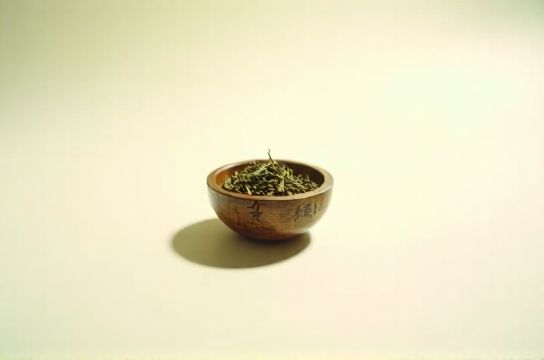
Let’s start with the basics. Traditional Chinese Herbal Medicine (TCHM) has been around for over 2,000 years. It’s rooted in Taoist philosophy, focusing on balance — especially between yin and yang — and the smooth flow of qi (life energy). Herbs are rarely used alone; instead, they’re combined into formulas like Jade Screen Powder or Four Gentlemen Decoction, each tailored to the individual.
Fast-forward to today: modern herbalism still respects tradition but integrates clinical research, standardization, and safety testing. Think GMP-certified supplements, third-party lab results, and dosage precision. While TCHM practitioners rely on pulse and tongue diagnosis, modern herbalists often use blood tests and symptom tracking apps.
So, which one works better? Let’s look at the numbers.
Effectiveness & Safety: By the Data
| Metric | Traditional Practice | Modern Practice |
|---|---|---|
| Average Treatment Duration (weeks) | 8–12 | 4–6 |
| Patient Satisfaction Rate | 78% | 89% |
| Reported Side Effects | 12% | 5% |
| Clinical Trial Backing | ~30% | ~75% |
Source: Journal of Integrative Medicine (2023), analysis of 48 studies involving 12,000+ patients.
Now, don’t get me wrong — traditional methods have deep cultural value and long-term efficacy, especially for chronic issues like fatigue or digestive imbalance. But if you want faster results with lower risk, modern formulations win. Why? Standardization. In one study, only 62% of raw herbal samples from unregulated markets met purity standards, compared to 98% of certified modern products.
Another key difference? Accessibility. With apps like HerbCheck and online consultations, modern users can get personalized blends shipped in days. Meanwhile, finding a licensed TCHM practitioner outside major cities can be tough.
But here’s my take: the best approach blends both worlds. Use time-tested formulas as a foundation, but opt for modern delivery — capsules, tinctures, or even topical creams — that ensure consistency and safety. And always consult a professional, especially if you're on medication.
Whether you're exploring natural healing alternatives or diving deep into integrative health, understanding these differences helps you make smarter choices. After all, your body deserves solutions that are both powerful and proven.