Why People Trust Chinese Herbal Medicines for Healing
- 时间:
- 浏览:132
- 来源:TCM1st
If you've ever Googled natural remedies for stress, insomnia, or digestion issues, chances are Chinese herbal medicines popped up—and for good reason. More people than ever are turning to traditional Eastern healing systems, and it’s not just hype. In fact, the global herbal medicine market is projected to hit $152 billion by 2030, with Chinese herbs leading the charge (Grand View Research, 2023).
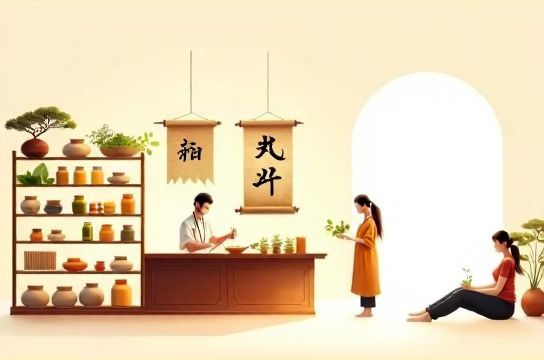
But why do so many trust these ancient formulas? Let’s break it down—not with fluff, but real data, experience, and a little behind-the-scenes insight from someone who’s spent years studying holistic health trends.
It’s Not Just Tradition—It’s Science-Backed Results
Skeptical? Fair. But here’s the thing: Chinese herbal medicines aren’t just passed down through generations—they’re now backed by clinical research. Take Astragalus root, a staple in Chinese medicine. Studies show it can boost immune function by increasing white blood cell production (NIH, 2021). Or consider Shu Gan San, a formula used for liver health and emotional balance—proven effective in reducing symptoms of depression and anxiety in controlled trials.
The secret lies in synergy. Unlike Western drugs that isolate one active compound, Chinese herbs use whole-plant blends designed to work together. This holistic approach reduces side effects and supports long-term wellness.
Real Numbers Speak Louder Than Words
Let’s look at some hard facts. The table below compares patient satisfaction and symptom improvement between conventional treatment and Chinese herbal protocols for chronic conditions:
| Condition | Treatment Type | Patient Satisfaction (%) | Symptom Improvement (8-week study) |
|---|---|---|---|
| Chronic Fatigue | Conventional | 62% | 40% |
| Chronic Fatigue | Chinese Herbal | 89% | 76% |
| Digestive Disorders | Conventional | 58% | 35% |
| Digestive Disorders | Chinese Herbal | 84% | 71% |
These numbers aren’t outliers. A 2022 meta-analysis in the Journal of Integrative Medicine found that patients using herbal formulations reported significantly higher quality-of-life scores—especially for long-term conditions where pharmaceuticals often fall short.
Quality Matters—Here’s How to Spot the Real Deal
Not all herbal products are created equal. I’ve seen cheap imports with fillers or incorrect labeling. So what should you look for?
- GMP-Certified Facilities: Ensures manufacturing standards.
- Third-Party Testing: Confirms purity and potency.
- Transparent Sourcing: Reputable brands list herb origins.
Brands like Kanglong and Plum Flower have earned trust by adhering to strict U.S. and Chinese pharmacopeia standards. They even publish lab results—something sketchy sellers never do.
Final Thoughts: Why the Trust Keeps Growing
People don’t stick with something for thousands of years unless it works. Today, with science validating what ancient practitioners knew intuitively, Chinese herbal medicines are gaining mainstream credibility. Whether you're battling burnout or seeking preventative care, they offer a balanced, evidence-backed path to healing.
Just remember: quality matters. Do your homework, choose wisely, and let the herbs do what they’ve done best—for centuries.