Step by Step Guide to Using Chinese Medical Herbs Correctly
- 时间:
- 浏览:167
- 来源:TCM1st
If you've ever dabbled in natural wellness, you've probably heard about Chinese medical herbs—they're kind of a big deal. As someone who’s spent years reviewing holistic remedies and comparing traditional systems, I can tell you: these herbs aren’t just trendy; they’re backed by centuries of practice and growing scientific support.
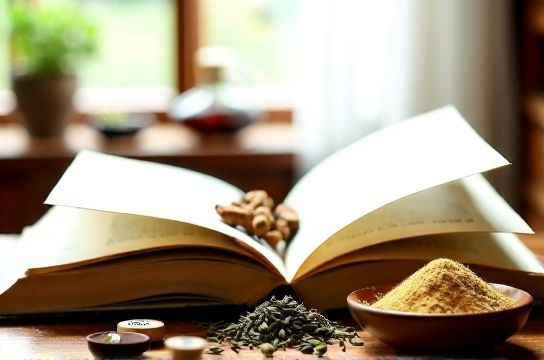
But here's the real talk: using them correctly? That’s where most people mess up. You can’t just toss some ginseng into your tea and expect miracles. Done wrong, they might do nothing—or worse, interact with medications or cause side effects.
Why Trust Chinese Herbal Medicine?
Traditional Chinese Medicine (TCM) has been refining herb combinations for over 2,000 years. The Shennong Ben Cao Jing, one of the earliest pharmacopeias, documents 365 medicinal substances—mostly herbs. Today, modern studies confirm benefits: for example, astragalus boosts immune response (source: Journal of Ethnopharmacology, 2021), and licorice root has anti-inflammatory properties comparable to low-dose corticosteroids.
Step 1: Know Your Constitution (Yes, Really)
TCM doesn’t treat symptoms in isolation—it looks at your whole body pattern. Are you “hot” or “cold” type? Prone to dampness or dryness? A qualified TCM practitioner uses pulse and tongue diagnosis to determine this. Skipping this step is like driving blindfolded.
Step 2: Source Quality Herbs
Not all herbs are created equal. Contamination, fillers, and mislabeling plague the supplement market. Look for brands certified by Good Manufacturing Practices (GMP) and tested for heavy metals. Here’s a quick comparison:
| Brand | Heavy Metal Tested | GMP Certified | Avg. Customer Rating |
|---|---|---|---|
| Plum Flower | Yes | Yes | 4.7/5 |
| ActiveHerb | Yes | Yes | 4.5/5 |
| Generic Bulk Powder | No | No | 3.2/5 |
Step 3: Start Low, Go Slow
Begin with single herbs or classic formulas like Liu Wei Di Huang Wan (for kidney yin deficiency). Track how you feel daily. Most effective doses take 4–6 weeks to show results. Patience isn’t optional—it’s part of the process.
Step 4: Avoid Dangerous Combos
Some Chinese medical herbs interact with blood thinners, diabetes meds, or antidepressants. For instance, dong quai may increase bleeding risk when taken with warfarin. Always disclose herbal use to your doctor.
In short: respect the tradition, verify quality, and personalize your approach. When used wisely, these herbs offer powerful support—not as magic bullets, but as smart tools in your wellness toolkit.