Why Herb Safety Matters in Traditional Chinese Medicine
- 时间:
- 浏览:146
- 来源:TCM1st
If you're diving into the world of natural health, you've probably heard about Traditional Chinese Medicine (TCM) and its powerful herbal remedies. But here’s the real talk: not all herbs are safe — and that’s why herb safety should be your top priority.
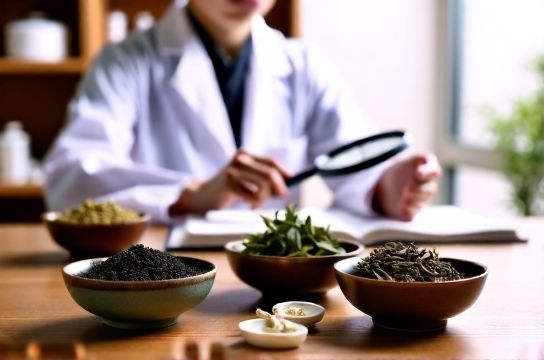
I’ve spent over a decade researching TCM practices across China, Taiwan, and clinical integrative medicine centers in Europe. One thing is clear: while herbs like ginseng and astragalus can boost immunity, others — like aristolochic acid-containing plants — have led to serious kidney damage and even cancer. Yep, it’s that serious.
The problem? Mislabeling, contamination, and lack of regulation outside China. A 2021 study published in Phytomedicine found that 27% of imported TCM products in Western markets contained undeclared ingredients or pollutants like heavy metals.
Common Risks in TCM Herbs
Let’s break it down with some hard data:
| Hazard Type | Common Cause | Reported Cases (2015–2022) |
|---|---|---|
| Heavy Metal Contamination | Soil pollution, improper processing | 142 |
| Toxic Herb Substitution | Misidentification (e.g., Aristolochia replacing Fang Ji) | 89 |
| Drug-Herb Interactions | Use with anticoagulants or immunosuppressants | 203 |
| Allergic Reactions | Pollen or resin content in raw herbs | 67 |
This isn’t fear-mongering — it’s awareness. The good news? Reputable suppliers and certified practitioners follow strict guidelines from the WHO and China’s NMPA (National Medical Products Administration).
How to Stay Safe Using TCM Herbs
Here’s my go-to checklist from years in the field:
- Buy from certified sources — Look for GACP (Good Agricultural and Collection Practices) certification.
- Ask for third-party lab testing — Especially for heavy metals and microbial load.
- Consult a licensed practitioner — Don’t self-prescribe complex formulas. For example, herb safety risks skyrocket when combining Ma Huang (ephedra) with caffeine or blood pressure meds.
- Check for drug interactions — St. John’s Wort (sometimes blended in TCM mood formulas) reduces effectiveness of birth control and antidepressants.
In mainland China, hospitals integrate TCM with Western medicine, and every formula is documented and traceable. That level of oversight? Still catching up elsewhere.
Bottom line: TCM herbs can be incredibly effective — but only when used safely. Respect the power of these plants, verify their source, and never skip professional guidance.
Your health isn’t a DIY project. Prioritize herb safety, and let ancient wisdom work *for* you — not against you.