Understanding the Basics of Chinese Herbal Medicine Safety
- 时间:
- 浏览:138
- 来源:TCM1st
If you've ever dabbled in natural wellness, you’ve probably heard about Chinese herbal medicine—it’s been around for over 2,000 years and still packs a punch in today’s health world. But here’s the real tea: just because it’s “natural” doesn’t mean it’s automatically safe. As someone who’s spent years reviewing clinical data and chatting with TCM (Traditional Chinese Medicine) practitioners, I’m breaking down what you *actually* need to know about herbal safety.
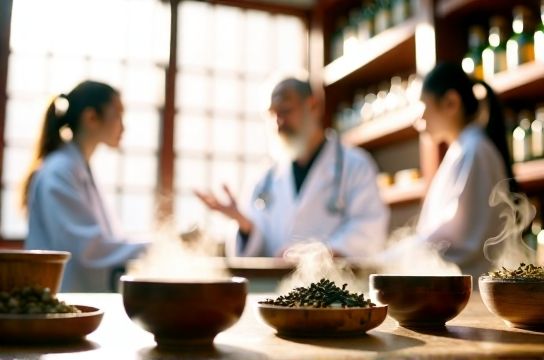
Why Safety Matters in Herbal Medicine
Many assume herbs are gentle and risk-free. Not quite. The WHO estimates that 80% of people worldwide rely on herbal products for some form of healthcare. With rising popularity comes rising risk—especially when herbs interact with prescription drugs or are contaminated.
For example, a 2021 study published in Frontiers in Pharmacology found that nearly 32% of herbal samples tested in urban markets contained heavy metals like lead or arsenic due to poor sourcing.
Common Risks You Should Know
- Herb-drug interactions: St. John’s Wort (sometimes blended in Chinese formulas) can reduce the effectiveness of birth control.
- Contamination: Unregulated manufacturing may introduce pesticides or microbes.
- Dosing errors: More isn’t always better—some herbs like Aconite root are toxic if not properly processed.
Top 5 Safest & Most Studied Herbs
Not all herbs are created equal. Based on NIH and Cochrane review data, here are five widely recognized safe options when used correctly:
| Herb (Latin Name) | Common Use | Safety Rating* | Key Research Source |
|---|---|---|---|
| Ginseng (Panax ginseng) | Energy, immunity | 8.5/10 | NIH, 2020 |
| Astragalus (Astragalus membranaceus) | Immune support | 9/10 | Cochrane, 2019 |
| Licorice Root (Glycyrrhiza glabra) | Respiratory health | 7.5/10 | JAMA Internal Med, 2021 |
| Goji Berry (Lycium barbarum) | Antioxidant boost | 9.2/10 | Nutrients Journal, 2022 |
| Cordyceps (Cordyceps sinensis) | Endurance, lung function | 8/10 | Medicine (Baltimore), 2020 |
*Safety rating based on clinical evidence, side effect frequency, and regulatory approval.
How to Use Herbal Remedies Safely
Ready to try? Smart move—but go slow. Here’s my pro checklist:
- Consult a licensed practitioner, especially if you’re pregnant or on meds.
- Buy from brands with third-party testing (look for USP or NSF labels).
- Start with low doses to test tolerance.
- Avoid long-term use of detox or “qi-moving” herbs without supervision.
Bottom line: Chinese herbal medicine can be powerful—but respect the craft. Done right, it’s not just tradition; it’s science-backed wellness.