How Herbal Medicine Uses Have Evolved Over Centuries
- 时间:
- 浏览:137
- 来源:TCM1st
Let’s be real — when you’re feeling under the weather, you’ve probably reached for an herbal tea or supplement at some point. But have you ever stopped to think about how herbal medicine uses have transformed from ancient rituals to modern-day science-backed remedies? Spoiler: it’s way more fascinating than you’d expect.
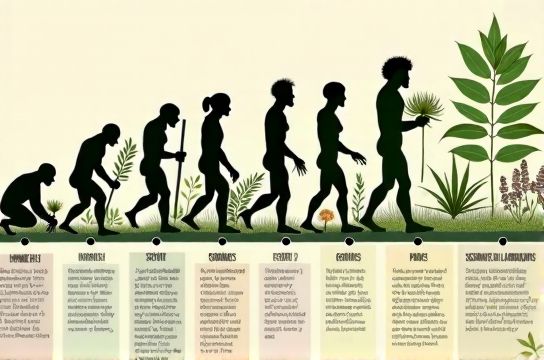
Centuries ago, healers in China, India, and Egypt relied solely on plants to treat illness. Fast forward to today, and guess what? Around 80% of people worldwide still use some form of herbal medicine, according to the World Health Organization. That’s not just tradition — that’s trust backed by time.
From Shamans to Science Labs
Ancient civilizations didn’t have pharmacies, but they had something powerful: observation. The Ebers Papyrus (1550 BCE) lists over 700 plant-based remedies — including garlic and juniper — used by Egyptians. Meanwhile, Traditional Chinese Medicine (TCM) has documented use of ginseng and astragalus for over 2,000 years.
Jump to the 19th century, and scientists began isolating active compounds. Morphine from poppies? Yep. Aspirin from willow bark? Also yes. This shift turned herbal knowledge into pharmaceutical breakthroughs. In fact, 25% of modern drugs are derived directly from plants (Source: National Cancer Institute).
Modern Herbal Medicine: What Works?
Not all herbs are created equal. Some have solid research; others? Not so much. Here’s a quick breakdown of popular herbs and what the data says:
| Herb | Traditional Use | Scientific Support | Key Active Compound |
|---|---|---|---|
| Echinacea | Immune support | Modest effect on cold duration | Alkamides |
| St. John’s Wort | Mood balance | Effective for mild-moderate depression | Hypericin |
| Turmeric (Curcumin) | Anti-inflammatory | Strong evidence in lab studies | Curcuminoids |
| Valerian Root | Sleep aid | Mixed results in clinical trials | Valerenic acid |
As you can see, some herbs like St. John’s Wort have real scientific muscle behind them, while others need more research. Always check with your doctor — especially if you're on meds. St. John’s Wort, for example, can interfere with birth control and antidepressants.
The Rise of Standardization
One major issue with herbal supplements? Inconsistency. A 2013 study published in JAMA found that nearly 60% of herbal products didn’t contain the herb listed on the label. Yikes.
That’s why third-party testing brands like USP or NSF matter. They verify what’s actually inside the bottle. Look for labels that say “standardized extract” — this means each dose contains a consistent amount of active ingredients.
For those diving into natural wellness, understanding herbal medicine uses is key to making safe, informed choices. It’s not about rejecting modern medicine — it’s about blending the best of both worlds.
So next time you sip that chamomile tea or pop a milk thistle capsule, remember: you’re part of a global tradition that’s lasted thousands of years — now smarter, safer, and more accessible than ever.