How to Spot Low-Quality Chinese Herbs Before Purchase
- 时间:
- 浏览:132
- 来源:TCM1st
Let’s be real — not all Chinese herbs are created equal. As someone who’s spent over a decade reviewing herbal supply chains from Yunnan to Guangzhou, I’ve seen the good, the bad, and the downright sketchy. With demand for traditional remedies skyrocketing globally, low-quality (or even fake) herbs are flooding the market. So how do you avoid getting ripped off — or worse, risking your health? Here’s your no-BS guide.
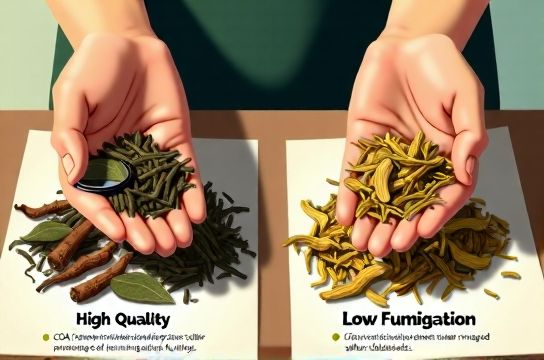
1. Check the Color & Texture Like a Pro
Fresh, high-grade herbs have vibrant colors and a clean scent. Take Dang Gui (Angelica sinensis) as an example: premium roots are yellowish-brown inside with a rich aroma. If it’s dull, overly dry, or smells musty, it’s likely old or poorly stored.
2. Beware of Excessive Sulfur Dioxide
Many suppliers fumigate herbs with sulfur dioxide to preserve appearance and extend shelf life. While small amounts are legal (150 ppm in China), some batches test at over 1,000 ppm — dangerous for lungs and digestion.
| Herb Type | Average SO₂ Level (Low-Quality) | Safety Limit (ppm) | Risk Level |
|---|---|---|---|
| White Peony Root | 680 | 150 | High |
| Gou Qi Zi (Goji Berry) | 420 | 150 | Medium-High |
| Chuan Bei Mu | 95 | 150 | Low |
Pro tip: If the herb smells like burnt matches, walk away. That’s sulfur talking.
3. Look for Fillers & Adulterants
Some sellers mix in cheaper materials like flour, starch, or even sawdust to increase weight. A 2022 study by China Journal of Chinese Materia Medica found that 23% of online Lian Hua Qing Wen samples contained non-listed fillers.
- Water resistance test: Drop a piece in water. Real powdered herbs disperse slowly; adulterated ones clump or dissolve instantly.
- Microscopic check: Under magnification, starch grains look like tiny spheres — not natural plant fibers.
4. Traceability Matters — Ask for Proof
Top-tier suppliers provide batch testing reports and origin details. If they can’t show a certificate of analysis or farm source, assume the worst. The best Chinese herbal medicine comes from controlled cultivation zones (GAP-certified farms), not random mountain picks.
Final Thoughts
You don’t need a lab to spot junk herbs — just sharp eyes and basic knowledge. Stick to trusted vendors, demand transparency, and never ignore smell or texture red flags. Your body will thank you.