How to Identify Real Chinese Herbs for Home Remedies
- 时间:
- 浏览:150
- 来源:TCM1st
Let’s be real—more people are turning to natural remedies, and Chinese herbs are having a major moment. But here’s the catch: not all products on the shelf are what they claim to be. As someone who’s spent over a decade researching herbal medicine and advising wellness brands, I’ve seen it all—from mislabeled powders to dangerously contaminated batches.
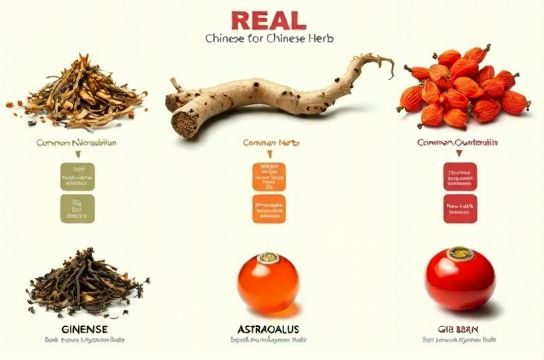
If you're using Chinese herbs at home, knowing how to spot the real deal isn’t just smart—it’s essential for your health.
Why Authenticity Matters in Chinese Herbs
A 2021 study published in Frontiers in Pharmacology found that nearly 30% of herbal products tested contained fillers or unlisted ingredients. Some even had traces of pesticides or heavy metals. Yikes.
Real, high-quality herbs deliver the benefits you’re looking for—like boosting immunity or reducing inflammation. Fake or low-grade ones? At best, they do nothing. At worst, they harm.
4 Pro Tips to Spot Genuine Chinese Herbs
- Check the Source (and Stick to Trusted Regions)
Just like wine has terroir, herbs have ideal growing regions. For example:- Ginseng (Panax ginseng) – Best from Jilin, China
- Goji berries – Ningxia province is top-tier
- Astragalus – Inner Mongolia produces the most potent roots
- Smell, Look, and Touch
Fake herbs often lack aroma. Real Chinese herbs should have a distinct, earthy scent. Visually, they shouldn’t be overly shiny (a sign of wax coating) or unnaturally uniform. - Decode the Label Like a Pro
Look for:- Latin botanical name (e.g., Rehmannia glutinosa)
- Harvest date
- Third-party lab testing (heavy metals, microbes)
- Use DNA Barcoding When in Doubt
Yes, this sounds sci-fi, but companies like AuthenTechnologies now offer affordable DNA tests to verify herb species. It’s becoming the gold standard.
Commonly Faked Herbs & What to Watch For
Here’s a quick-reference table of frequently substituted herbs:
| Herb (Pinyin) | Common Substitute | Risk |
|---|---|---|
| Dang Gui (Angelica sinensis) | Ligusticum spp. | Reduced efficacy, possible side effects |
| Chuan Xiong (Ligusticum chuanxiong) | Imposter roots from unrelated plants | Allergic reactions |
| Huang Qi (Astragalus membranaceus) | Cheap root starches | No medicinal benefit |
Pro tip: Always buy whole herbs when possible. Powders are way easier to adulterate.
Where to Buy Reliable Chinese Herbs
I recommend starting with suppliers that provide COAs (Certificates of Analysis). Brands like Plum Flower and Active Herb have strong reputations. Also, consider local licensed TCM practitioners—they often source directly from trusted farms.
And if you’re serious about quality, link up with online platforms that offer authentic Chinese herbs verified by lab testing. Your body will thank you.
Bottom line: Don’t gamble with your health. With the right knowledge, anyone can tell real from fake—and make safer, smarter choices at home.