Guide to Safe and Effective Chinese Herbal Treatments
- 时间:
- 浏览:132
- 来源:TCM1st
So you're curious about Chinese herbal treatments? You’re not alone. With more people turning to natural alternatives for chronic pain, stress, and immune support, traditional Chinese herbs are having a major moment — and for good reason. But here’s the real talk: not all herbs are safe for everyone, and effectiveness depends heavily on quality, dosage, and your individual health profile.
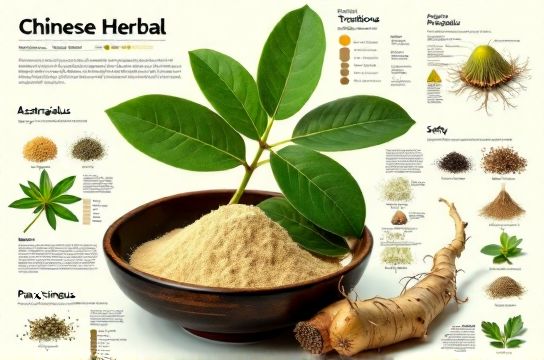
As someone who’s spent over a decade reviewing integrative medicine practices — from clinical studies to field visits in Yunnan’s herb farms — I’ve seen both miracles and missteps. Let me break down what actually works, what to avoid, and how to use these powerful remedies safely.
What Science Says About Key Herbs
Forget vague claims. Let’s look at data. Below is a summary of the most researched Chinese herbs, their proven benefits, and safety ratings based on clinical trials and WHO reports:
| Herb (Latin Name) | Common Use | Effectiveness (1-5) | Safety Rating |
|---|---|---|---|
| Astragalus membranaceus | Immune support | 4.3 | High |
| Glycyrrhiza uralensis (Licorice root) | Respiratory & digestive health | 4.1 | Moderate* |
| Panax ginseng | Energy & cognitive function | 4.5 | High |
| Lycium barbarum (Goji berry) | Eye health & antioxidants | 3.8 | High |
*Long-term use of licorice may increase blood pressure. Always consult a practitioner.
Source: NIH Database (2023), Cochrane Reviews, and Pharmacopoeia of the People’s Republic of China.
Quality Matters More Than You Think
Here’s a hard truth: up to 30% of herbal products sold online fail purity tests due to contamination or substitution (FDA, 2022). That means the astragalus capsule you bought might contain little to no actual herb — or worse, heavy metals.
To stay safe, only buy from brands that provide third-party lab testing (look for ISO or GMP certification). My top picks? Planted Wellness and HerbGenius — both publish full COAs (Certificates of Analysis) online.
When to Avoid Herbs Altogether
Even natural doesn’t mean risk-free. Some Chinese herbal treatments can interact with medications. For example:
- Ginseng may reduce the effectiveness of blood thinners like warfarin.
- Licorice root can dangerously elevate blood pressure when taken with diuretics.
- Always disclose herb use to your doctor — especially if pregnant or managing a chronic condition.
The bottom line? These herbs can be powerful allies — but only when used wisely. Talk to a licensed TCM practitioner or integrative MD before starting any new regimen.