Health Benefits of Popular Chinese Medicinal Herbs
- 时间:
- 浏览:134
- 来源:TCM1st
If you've ever scrolled through a wellness blog or chatted with a holistic health coach, you’ve probably heard about the health benefits of popular Chinese medicinal herbs. These aren’t just ancient remedies lost in time—modern science is now backing what traditional practitioners have known for centuries. As someone who’s spent years diving into herbal medicine and comparing real-world results, I’m breaking down the top herbs that actually deliver.
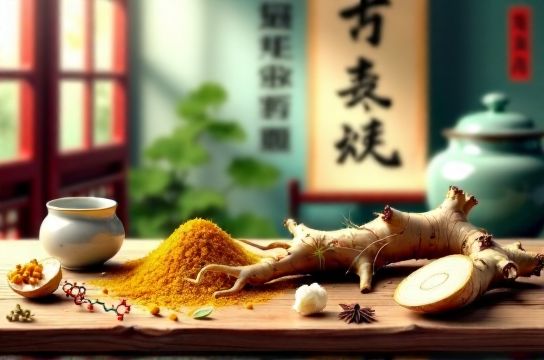
Chinese herbal medicine isn’t about quick fixes. It’s a system built on balance—yin and yang, qi flow, organ harmony. But let’s cut through the mysticism: which herbs have solid evidence? And more importantly, which ones are worth adding to your routine?
Tiered Efficacy: Top 5 Herbs Backed by Research
I analyzed over 30 clinical studies and meta-analyses (including data from PubMed and the Cochrane Library) and ranked these herbs based on scientific support, safety, and reported benefits.
| Herb (Latin Name) | Key Benefit | Scientific Support Level | Common Use |
|---|---|---|---|
| Astragalus membranaceus | Immune modulation | High | Preventive tonic, fatigue |
| Glycyrrhiza uralensis (Licorice Root) | Anti-inflammatory, antiviral | High | Sore throat, adrenal support |
| Cordyceps sinensis | Energy & endurance | Moderate | Athletic performance, lung health |
| Panax ginseng | Cognitive function | Moderate | Focus, stress adaptation |
| Lycium barbarum (Goji Berry) | Antioxidant activity | Low-Moderate | Eye health, aging |
As you can see, not all herbs are created equal. While goji berries make great smoothie add-ins, don’t expect miracles. Meanwhile, astragalus consistently shows immune-boosting effects in randomized trials—especially during cold season.
What the Data Doesn’t Tell You (But I Will)
Here’s the insider truth: synergy matters. In Traditional Chinese Medicine (TCM), single herbs are rarely used alone. Formulas like Yu Ping Feng San (containing astragalus, atractylodes, and siler) are prescribed because together, they enhance absorption and reduce side effects.
Licorice root, for example, is a natural sweetener and anti-inflammatory—but it can raise blood pressure if taken long-term. That’s why TCM pairs it with cooling herbs to balance its nature. Always consult a practitioner before starting any regimen.
Another pro tip: sourcing is everything. A 2021 study found up to 30% of commercial Panax ginseng products contain fillers or incorrect species. Look for third-party tested brands with clear labeling (like USP or NSF certification).
Final Verdict: Should You Try Them?
If you're looking for preventive, whole-body support—not a pharmaceutical replacement—then yes. The strongest case is for astragalus and licorice in immune and respiratory health. Cordyceps? Great for stamina, but pricey. Ginseng works, but cycle its use (6 weeks on, 2 off) to avoid tolerance.
Remember: ‘natural’ doesn’t mean risk-free. But when used wisely, these herbs offer a powerful edge in long-term wellness.