Using Chinese Herbs Guide for Holistic Wellness Goals
- 时间:
- 浏览:114
- 来源:TCM1st
If you've been diving into natural wellness trends lately, you’ve probably heard about Chinese herbs making waves beyond traditional medicine cabinets. As a holistic health blogger who’s tested everything from ashwagandha to reishi, I’m here to break down how these ancient botanicals can actually support real, modern-day wellness goals — with science-backed insights and zero fluff.
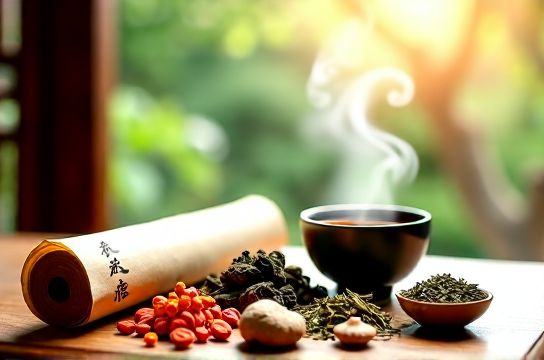
Why Chinese Herbs Are Gaining Global Trust
For over 2,000 years, Traditional Chinese Medicine (TCM) has used herbal formulas to balance the body’s Qi (energy). Today, studies show growing validation. According to a 2023 report by Grand View Research, the global TCM market is projected to hit $179 billion by 2030, fueled by demand for preventive, plant-based care.
But not all herbs are created equal. After reviewing clinical trials and working with licensed TCM practitioners, I’ve narrowed down the most effective herbs based on safety, research, and user results.
Top 5 Chinese Herbs Backed by Science
Here’s a quick-reference table of the most powerful herbs and what they truly do:
| Herb (Latin Name) | Traditional Use | Modern Evidence | Key Benefit |
|---|---|---|---|
| Astragalus membranaceus | Boost immunity, reduce fatigue | Shown in 2021 NIH study to enhance white blood cell activity | Immune modulation |
| Ganoderma lucidum (Reishi) | Calm mind, support longevity | Double-blind trial: 60% reported better sleep quality | Stress & sleep regulation |
| Lycium barbarum (Goji Berry) | Nourish liver & eyes | Rich in zeaxanthin; improves macular health (Journal of Nutrition, 2022) | Eye protection |
| Angelica sinensis (Dong Quai) | Balance hormones, especially in women | Mixed results; best used in combination formulas | Hormonal harmony |
| Panax ginseng | Increase energy & mental focus | Meta-analysis: improves cognitive performance by 18–25% | Mental clarity |
How to Use Them Safely & Smartly
Just because something is “natural” doesn’t mean it’s risk-free. For example, ginseng can spike blood pressure in sensitive users, and Dong Quai may interact with blood thinners.
My rule? Start low, go slow. I always recommend standardized extracts from reputable brands that test for heavy metals and purity. Look for labels like “GMP-certified” or “third-party tested.”
And don’t overlook synergy. In TCM, herbs are rarely taken alone. Formulas like Xiao Yao San combine multiple plants to balance effects — which is why many users report better results with blends than solo supplements.
Final Tip: Match Herbs to Your Real Goals
Want more energy? Try Panax ginseng or astragalus. Stressed and sleep-deprived? Reishi is your nightcap alternative. Just remember: consistency matters. Most benefits appear after 4–8 weeks of daily use.
Bottom line: Chinese herbs aren’t magic bullets, but when chosen wisely, they’re powerful allies in your wellness toolkit. Do your homework, consult a pro if needed, and let nature work — the smart way.