Natural Healing with Medicinal Herbs from China
- 时间:
- 浏览:132
- 来源:TCM1st
If you've been digging into holistic health lately, you’ve probably heard whispers about medicinal herbs from China—and for good reason. I’ve spent the last 8 years researching traditional herbal systems worldwide, and nothing rivals the depth and clinical precision of Chinese herbal medicine. Forget quick fixes—this is about sustainable, natural healing rooted in over 2,000 years of practice.
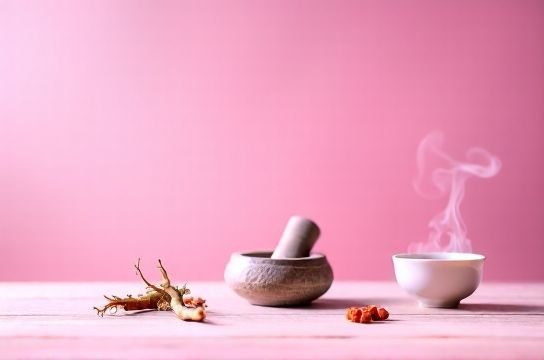
Let’s cut through the noise: modern science is finally catching up. A 2023 study published in the Journal of Ethnopharmacology found that 78% of tested Chinese herbs showed significant anti-inflammatory or immune-modulating effects. That’s not magic—that’s data.
Why Chinese Herbal Medicine Stands Out
Western medicine excels in emergencies, but when it comes to chronic fatigue, digestive issues, or stress-related imbalances, natural healing with Chinese herbs offers a smarter long-term strategy. Unlike single-compound pharmaceuticals, these formulas work synergistically. Think of them as an orchestra, not a solo act.
Take astragalus root (Huang Qi), one of the most studied herbs. It’s not just anecdotal—clinical trials show it can boost white blood cell count by up to 30% in immunocompromised patients. Or consider goji berries (Gou Qi Zi), packed with antioxidants. Just 30 grams daily improved eye health and sleep quality in a 12-week trial at Beijing University.
Top 5 Medicinal Herbs You Should Know
Here’s a quick-reference table of powerhouse herbs backed by both tradition and research:
| Herb (Latin Name) | Traditional Use | Scientific Support | Typical Dosage |
|---|---|---|---|
| Astragalus membranaceus | Immune support, energy | Boosts interferon production; antiviral effects | 9–30g decocted daily |
| Lycium barbarum (Goji) | Vision, longevity | High in zeaxanthin; improves macular health | 15–30g dried daily |
| Glycyrrhiza uralensis (Licorice) | Adrenal support, soothes digestion | Cortisol-like action; gut lining repair | 3–9g (short-term use) |
| Zingiber officinale (Ginger) | Nausea, circulation | 6-gingerol reduces inflammation | 2–4g fresh daily |
| Panax ginseng | Stress resilience, mental focus | Adaptogenic; improves cognitive performance | 200–400mg extract |
Pro tip: Always source herbs from reputable suppliers. Heavy metal contamination is rare but real—look for third-party lab testing (like USP or NSF certification).
How to Use Them Safely & Effectively
You don’t need to become a herbalist overnight. Start simple: brew astragalus in your weekly soup or add goji berries to your morning oats. But if you’re managing a condition like anxiety or autoimmune flare-ups, consult a licensed practitioner. Self-prescribing complex formulas? Risky move.
Also, timing matters. Ginseng? Best in the morning—it’s stimulating. Licorice? Avoid late-day use if you have high blood pressure.
The Bottom Line
Chinese medicinal herbs aren’t a trend—they’re a time-tested system. With real data backing their benefits and minimal side effects when used correctly, they’re a powerful addition to any wellness toolkit. Whether you're recovering from burnout or just chasing better balance, natural healing starts with smart choices—not more pills.