Common Uses of Chinese Herbal Remedies at Home
- 时间:
- 浏览:136
- 来源:TCM1st
If you’ve ever scratched your head wondering how to ease that nagging cough or beat afternoon fatigue without reaching for over-the-counter pills, you might want to peek into the ancient wisdom of Chinese herbal remedies. As someone who’s spent years diving into holistic health practices—from comparing tinctures to testing tonics—I can tell you: these aren’t just old wives’ tales. They’re time-tested, science-backed solutions used in homes across Asia for centuries.
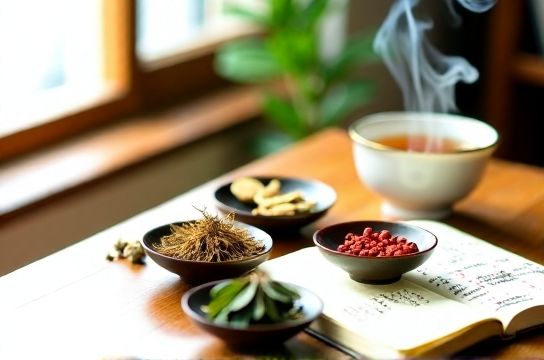
Let’s break it down like a wellness pro. Chinese herbal medicine operates on balance—yin and yang, hot and cold, energy flow (qi). But don’t let the philosophy scare you off. At home, many of these herbs are as easy to use as brewing tea or adding spices to soup.
Top 5 Common Home Uses (And the Herbs That Shine)
- Digestive Support: Ever had bloat after a big meal? Try Huo Xiang (Agastache) or Chen Pi (dried tangerine peel). These are staples in Chinese households for calming upset stomachs.
- Cold & Cough Relief: Instead of grabbing NyQuil, simmer Zi Su Ye (perilla leaf) with ginger and honey. It warms the body, promotes sweating, and helps expel pathogens—perfect during early cold stages.
- Energy & Focus Boost: Feeling sluggish by 3 PM? Huang Qi (Astragalus) is your go-to adaptogen. Studies show it may enhance immune function and reduce fatigue (*Journal of Ethnopharmacology*, 2016).
- Sleep Aid: Suan Zao Ren (sour jujube seed) isn’t just folklore—it’s been clinically studied for improving sleep quality, especially in mild insomnia cases.
- Stress & Anxiety: Bai Shao (white peony root) works gently on the liver and nervous system, helping ease tension without drowsiness.
Quick-Reference Guide: Common Herbs & Their Uses
| Herb (Pinyin) | Common Name | Primary Use | Home Preparation |
|---|---|---|---|
| Huo Xiang | Agastache | Digestive aid | Tea or added to soups |
| Chen Pi | Dried tangerine peel | Reduces phlegm, aids digestion | Simmer in water or cook with rice |
| Zi Su Ye | Perilla leaf | Cold relief | Infuse in hot water with ginger |
| Huang Qi | Astragalus root | Immune support, energy | Decoct in soups or teas |
| Suan Zao Ren | Sour jujube seed | Sleep improvement | Brew as bedtime tea |
Now, here’s the insider tip: consistency matters more than intensity. Most herbal remedies work best when used regularly—not as quick fixes, but as part of a balanced lifestyle. Think of them like nutritional supplements with cultural roots deeper than most modern drugs.
One thing I always warn people about: quality. Not all herbs are created equal. Look for organic, lab-tested sources—especially if you’re buying online. And when in doubt, consult a licensed practitioner. While these uses are common and generally safe, self-diagnosing serious conditions is never smart.
In short, integrating Chinese herbal remedies at home doesn’t require a PhD—or even a full apothecary shelf. Start small: try a cup of perilla-ginger tea at the first sign of a cold, or add astragalus to your chicken soup. Your body will thank you the natural way.