Safe Practices When Taking Chinese Herbal Formulas
- 时间:
- 浏览:127
- 来源:TCM1st
If you're diving into the world of natural wellness, chances are you've come across Chinese herbal formulas. These time-tested blends have been used for over 2,000 years to support everything from digestion to immunity. But here’s the real talk: just because they’re “natural” doesn’t mean they’re risk-free. As someone who’s spent years reviewing clinical studies and working with integrative practitioners, I’ve seen both the magic and the missteps.
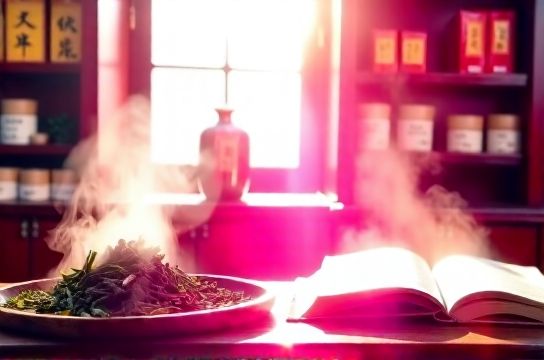
The key? Using them safely and smartly. Let’s break down how to get the benefits without the backlash.
Know Your Source — Not All Herbs Are Created Equal
A 2021 study published in Frontiers in Pharmacology found that up to 30% of herbal products on global markets contain contaminants or don’t match their label claims. Scary, right? That’s why sourcing matters more than ever.
Look for brands that follow Good Manufacturing Practices (GMP) and provide third-party lab testing. In China, the CFDA regulates herbal products; in the U.S., look for NSF or USP certification.
Check for Herb-Drug Interactions
One of the biggest risks isn’t the herb itself — it’s what it does when mixed with your meds. For example, ginseng can interfere with blood thinners like warfarin, while licorice root may raise blood pressure.
Here’s a quick reference table:
| Herb | Common Use | Potential Interaction |
|---|---|---|
| Ganoderma (Reishi) | Immune support | May enhance anticoagulant effects |
| Bai He (Lily Bulb) | Respiratory health | Sedative interaction with benzodiazepines |
| Shu Di Huang (Rehmannia) | Hormonal balance | May affect liver enzyme activity |
Always tell your doctor what supplements you’re taking — yes, even the ‘natural’ ones.
Dosage Matters — More Isn’t Always Better
In TCM, herbs are prescribed in precise combinations based on your body pattern. Taking double the dose won’t speed things up — it might just land you in discomfort. For instance, excessive use of Ma Huang (Ephedra) has led to serious cardiovascular events, which is why it’s banned in dietary supplements in the U.S.
Consult a Licensed Practitioner
While store-bought formulas like Jade Windscreen (Yu Ping Feng San) are generally safe for short-term immune support, chronic conditions need customization. A 2020 meta-analysis showed that patients under professional guidance had 40% fewer adverse reactions.
Bottom line: Don’t self-prescribe long-term. Work with a licensed acupuncturist or TCM practitioner who can tailor the formula to your needs.
Listen to Your Body
Start slow. If you experience nausea, dizziness, or skin rashes, stop immediately. Keep a journal to track changes — your body will tell you what works.
Chinese herbal medicine is powerful, but respect is part of the recipe. Stay informed, stay safe, and let nature work — the right way.