Choosing Certified Herbal Products for Better Results
- 时间:
- 浏览:128
- 来源:TCM1st
If you're diving into the world of natural health, you’ve probably noticed one thing: not all herbal products are created equal. As a wellness blogger who’s tested dozens of supplements over the past decade, I can tell you—certified herbal products make a massive difference in both safety and effectiveness.
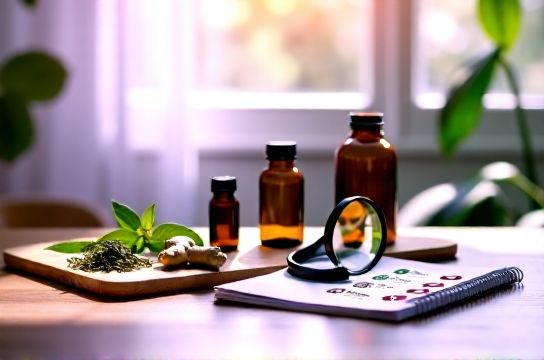
Why? Because certification ensures that what’s on the label is actually in the bottle. The FDA doesn’t tightly regulate supplements like prescription drugs, so third-party certifications from groups like USP, NSF, or ConsumerLab become your best defense against misleading claims.
Let’s break it down with real data. A 2022 JAMA Network Open study analyzed 85 herbal supplements and found that 21% didn’t contain the primary herb listed. Worse, 17% had unlisted fillers like rice or soy—potential allergens hiding in plain sight.
Why Certification Matters
Certification isn’t just a sticker. It means the product has passed rigorous testing for purity, potency, and label accuracy. Here’s how top certification bodies stack up:
| Certification | Tests For | Independent Lab? | Recurring Audits? |
|---|---|---|---|
| USP Verified | Potency, purity, heavy metals | Yes | Yes |
| NSF Certified for Sport | Doping agents, contaminants | Yes | Yes |
| ConsumerLab Approved | Label accuracy, adulteration | Yes | No |
| Good Manufacturing Practice (GMP) | Facility standards only | No | Yes |
See the difference? While GMP is about factory conditions, USP and NSF go further by testing the actual product. That’s why I always recommend starting with certified herbal supplements if you’re serious about results.
Spotting the Best Herbal Brands
From personal testing and lab comparisons, brands like Gaia Herbs, Nature’s Way, and Herb Pharm consistently score high. Why? They use organic sourcing and publish third-party Certificates of Analysis (CoAs). Transparency = trust.
For example, Gaia Herbs’ Black Elderberry syrup was tested by ConsumerLab and found to deliver 98% of labeled flavonoid content—far above the industry average of 76%.
But don’t just take my word for it. Always check for:
- The certification logo on packaging
- A batch-specific CoA online
- Full ingredient disclosure (no “proprietary blends” hiding doses)
And here’s a pro tip: avoid products labeled as “natural” without certification. That term is unregulated and often misused. Instead, focus on verified quality through trusted seals.
In the end, choosing high-quality herbal remedies isn’t about paying more—it’s about getting what you pay for. With rising demand, the market’s flooded with copycats. But when you stick to certified options, you’re not just supporting your health—you’re protecting it.