How to Read Chinese Herbal Ingredients Lists Correctly
- 时间:
- 浏览:150
- 来源:TCM1st
So you’ve picked up a bottle of traditional Chinese herbal supplement and… yikes. The ingredient list looks like ancient poetry written in symbols. Don’t panic — you’re not alone. As someone who’s spent over a decade analyzing herbal formulations for wellness brands, I’m here to break it down so you can actually read Chinese herbal ingredients like a pro.
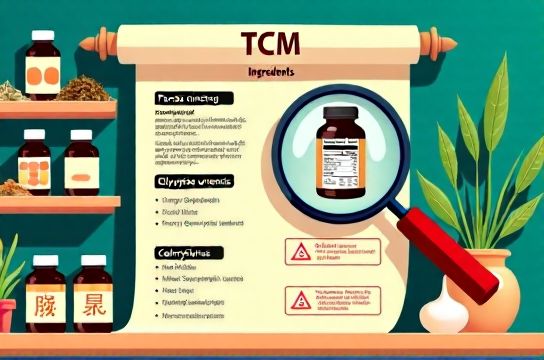
First things first: unlike Western supplements that list isolated compounds (like ‘vitamin C’ or ‘zinc gluconate’), Chinese herbal blends rely on whole plant parts — roots, leaves, flowers — often using their Latin or Chinese pinyin names. And while that might sound intimidating, understanding these labels is key to knowing what you're really putting in your body.
Why Ingredient Order Matters
In Traditional Chinese Medicine (TCM), herbs are rarely used alone. They work in synergy. That’s why the order on the label isn’t random — it follows TCM formulation principles:
- Jun (君): The “emperor” herb — main therapeutic agent
- Chen (臣): The “minister” — supports the emperor
- Zuo (佐): The “assistant” — moderates side effects
- Shi (使): The “messenger” — directs formula to target area
For example, in Xiao Yao San, Bai Shao (Paeonia root) is listed second — a clue it's a major player, supporting the primary herb Chai Hu (Bupleurum).
Decoding Common Names & Synonyms
Here’s where confusion kicks in. A single herb can appear under multiple names depending on processing method or region. Check this quick reference:
| Common Name | Latin Name | Pinyin | Used For |
|---|---|---|---|
| Asian Ginseng | Panax ginseng | Renshen | Energy, immunity |
| Chinese Licorice | Glycyrrhiza uralensis | Gancao | Harmonizing formulas |
| Milk Thistle | Silybum marianum | Not TCM native | Liver support (often in modern blends) |
Notice something? True TCM herbs have established pinyin names. If you see botanicals like milk thistle, it’s likely a modern hybrid formula — not traditional, but still potentially effective.
Beware of Fillers & Hidden Additives
Just because it says “all natural” doesn’t mean it’s clean. A 2021 study by Journal of Herbal Pharmacology found that 32% of imported Chinese herbal products contained undeclared fillers like starch or even pharmaceutical agents.
Always look for:
- Certifications (GMP, ISO, NSF)
- Third-party testing results
- Transparent sourcing (e.g., “wildcrafted” vs. “farmed”)
And remember: if the price seems too good to be true? It probably is. High-quality herbal ingredients cost money to source and test.
Final Tip: Use Apps to Verify
Download tools like HerbDeck or TCM Zone — they let you scan or search herb names and instantly pull up safety data, interactions, and traditional uses. Knowledge is power — especially when it comes to your health.