Step by Step Guide to Using Chinese Herbs for Beginners
- 时间:
- 浏览:130
- 来源:TCM1st
So, you’ve heard about the magic of Chinese herbs—maybe from a friend, your wellness influencer, or that one TikTok video that changed your life. But where do you even start? Don’t worry, I’ve been there. As someone who’s spent over a decade diving into traditional herbal medicine (and yes, making plenty of rookie mistakes along the way), I’m breaking it down step-by-step so you can safely and confidently begin your journey.
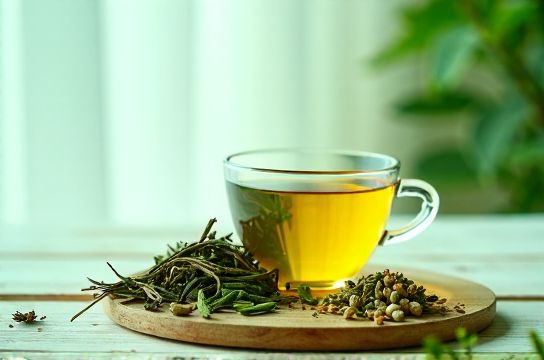
Why Chinese Herbs Are Worth the Hype
Unlike Western medicine’s “one symptom, one pill” approach, Traditional Chinese Medicine (TCM) focuses on balance. It’s all about Qi (energy), Yin-Yang harmony, and treating the root—not just the cough or headache.
According to a 2022 report by Grand View Research, the global herbal medicine market hit $147 billion—and is growing fast. China alone produces over 90% of the world’s Ganoderma lucidum (Reishi mushroom), a superstar immune booster.
Step 1: Know Your Basics
Before tossing random roots into your tea, get familiar with foundational concepts:
- Qi (Chi): Vital energy flowing through your body.
- Yin & Yang: Opposing but complementary forces—think hot vs. cold, active vs. restful.
- The Five Elements: Wood, Fire, Earth, Metal, Water—each linked to organs and emotions.
Step 2: Start with Common Beginner-Friendly Herbs
You don’t need a PhD to use herbs like astragalus or chrysanthemum. These are gentle, widely available, and backed by centuries of use.
Here’s a quick-reference table of beginner-safe herbs:
| Herb (Pinyin) | Common Use | Dosage (Daily) | Safety Notes |
|---|---|---|---|
| Huang Qi (Astragalus) | Immune support | 9–30g decocted | Avoid during acute illness |
| Ju Hua (Chrysanthemum) | Eye strain, headaches | 5–10g steeped | Safe for most; cooling |
| Gan Cao (Licorice Root) | Soother, harmonizer | 3–6g | Limited long-term use |
| Bai Zhu (White Atractylodes) | Digestive health | 6–12g | Warm herb; avoid if overheated |
Step 3: Source Smart
Not all herbs are created equal. A 2021 study found up to 30% of online herbal products contain fillers or contaminants. Look for:
- Third-party lab testing (ask for COAs—Certificates of Analysis)
- Organic certification
- Transparent sourcing (e.g., grown in China’s Sichuan province, known for quality)
Step 4: Prep Like a Pro
Most TCM herbs are decocted—simmered in water for 30–60 mins. Here’s how:
- Rinse herbs quickly.
- Soak in cold water for 30 mins.
- Simmer on low heat (covered) until liquid reduces by half.
- Strain and drink warm—usually 1–2 times daily.
Pro tip: Use a ceramic or stainless steel pot. Aluminum can react with plant compounds.
Final Thoughts
Starting with Chinese herbs doesn’t have to be overwhelming. Begin with one or two well-known options, source responsibly, and listen to your body. When in doubt? Consult a licensed TCM practitioner. Your health journey just got a whole lot more rooted—in the best way.