Top Resources for Learning More About Chinese Medicinal Herbs
- 时间:
- 浏览:103
- 来源:TCM1st
If you're diving into the world of natural wellness, you've probably heard about Chinese medicinal herbs. They’ve been used for over 2,000 years and are still a cornerstone in holistic health today. But with so much info out there — some legit, some not so much — how do you know where to learn the real deal? As someone who’s spent years studying herbal traditions and comparing modern research, I’m breaking down the best, most trustworthy resources to level up your knowledge.
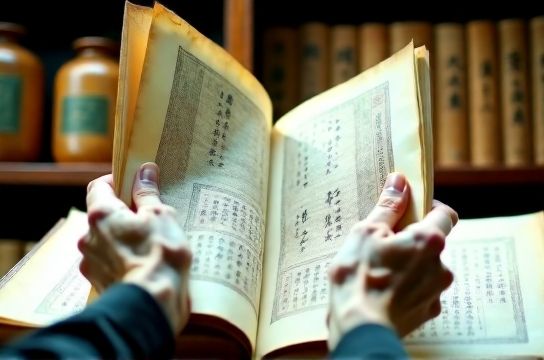
Why Trust Matters in Herbal Learning
Not all websites or books are created equal. Misinformation can lead to unsafe usage — and nobody wants that. That’s why I always recommend starting with sources backed by science or traditional expertise. Whether you’re a curious beginner or a budding practitioner, these tools will help you understand Chinese medicinal herbs like a pro.
Top 4 Trusted Resources Compared
Here’s a quick comparison of the most reliable platforms based on accuracy, depth, and user experience:
| Resource | Type | Scientific Backing | User Rating (5.0) | Cost |
|---|---|---|---|---|
| China Academy of Chinese Medical Sciences | Government Research Institute | ★★★★★ | 4.9 | Free / Paid Courses |
| PubMed Central (NIH) | Medical Research Database | ★★★★★ | 4.7 | Free |
| TCM Wiki | Open-access Encyclopedia | ★★★☆☆ | 4.3 | Free |
| Coursera: “Herbal Medicine in Practice” | Online Course | ★★★★☆ | 4.6 | $49/month |
As you can see, official institutions and peer-reviewed databases come out on top. The China Academy of Chinese Medical Sciences is basically the gold standard — they publish clinical studies, herb safety reports, and even seasonal usage guides. If you want deep, accurate knowledge, start here.
Free vs. Paid: What’s Worth It?
Let’s be real — not everyone can drop hundreds on courses. The good news? You can get solid foundational knowledge for free using PubMed and TCM Wiki. But if you’re serious about practice or personal healing, investing in a structured course pays off. For example, Coursera’s program includes video lectures from actual TCM doctors and herb identification quizzes.
Pro Tips from Years of Experience
- Check the source date: Herbal research evolves. Always look for info published within the last 5 years unless it’s a classical text.
- Avoid sites pushing products: If every article ends with “Buy our supplement!”, be skeptical. Real education focuses on knowledge, not sales.
- Combine old and new: Pair ancient texts like the Shennong Ben Cao Jing with modern clinical trials for a balanced view.
Bottom line? Learning about Chinese medicinal herbs doesn’t have to be overwhelming. Stick to trusted sources, question flashy claims, and let evidence guide your journey. Your body — and your inner herbalist — will thank you.