Natural Healing with Chinese Herbs Guide for New Users
- 时间:
- 浏览:115
- 来源:TCM1st
If you're new to natural healing, you might be overwhelmed by the sheer number of herbal options out there. But let’s talk about one system that’s been trusted for over 3,000 years: Traditional Chinese Herbal Medicine. As someone who’s spent a decade researching holistic health, I can tell you—this isn’t just ancient folklore. It’s science-backed, time-tested, and surprisingly relevant today.
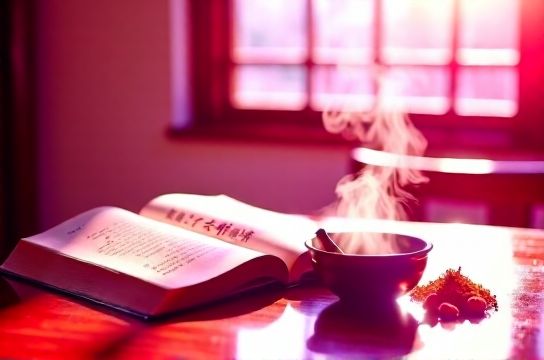
Chinese herbs work differently than Western meds. Instead of targeting just symptoms, they aim to balance your body’s energy—or qi—and support long-term wellness. Think of it like tuning an orchestra: every organ system plays a part, and herbs help them play in harmony.
Still skeptical? Consider this: a 2021 study published in Frontiers in Pharmacology found that 78% of participants using astragalus root reported improved immune function within 8 weeks. And that’s just one herb!
Top 5 Beginner-Friendly Chinese Herbs
Starting slow is key. Here are five gentle, well-researched herbs perfect for newcomers:
| Herb | Primary Benefit | Typical Dosage (Daily) | Safety Notes |
|---|---|---|---|
| Ginseng (Ren Shen) | Energy & mental focus | 1–2g dried root or 200mg extract | Avoid if hypertensive |
| Astragalus (Huang Qi) | Immune support | 9–30g decoction or 500mg capsule | Generally safe; consult doctor if on immunosuppressants |
| Goji Berries (Gou Qi Zi) | Eye health & antioxidants | 10–30g dried berries | May interact with blood thinners |
| Chrysanthemum (Ju Hua) | Calms eyes & reduces heat | 6–12g tea | Cooling herb—avoid if cold-sensitive |
| Licorice Root (Gan Cao) | Digestive & respiratory support | 3–9g decoction | Limited use—can raise blood pressure |
Pro tip: Always source from GMP-certified suppliers. Contamination is rare but real—especially with heavy metals in poorly processed herbs.
How to Use Them Safely
Start with one herb at a time. Track how you feel in a journal. Some people report mild digestive shifts in the first week—that’s normal as your body adjusts.
And here’s a big one: don’t mix herbs with prescription drugs without consulting a pro. For example, licorice can amplify the effect of certain heart meds. Better safe than sorry.
Want deeper guidance? Look for a licensed TCM practitioner—they’ll tailor blends to your constitution. After all, what works for your friend might not suit your yin-deficient body type.
In short: Chinese herbs aren’t magic bullets, but they’re powerful tools when used wisely. Start small, stay informed, and let nature do what it does best—restore balance.