Traditional Chinese Herbs for Long Term Wellness
- 时间:
- 浏览:113
- 来源:TCM1st
If you've been on a wellness journey for more than five minutes, you’ve probably heard about traditional Chinese herbs. But let’s be real—most guides out there just scratch the surface. As someone who’s spent over a decade researching herbal systems across Asia, I’m here to break down what actually works—for long-term health—not just trendy detoxes.
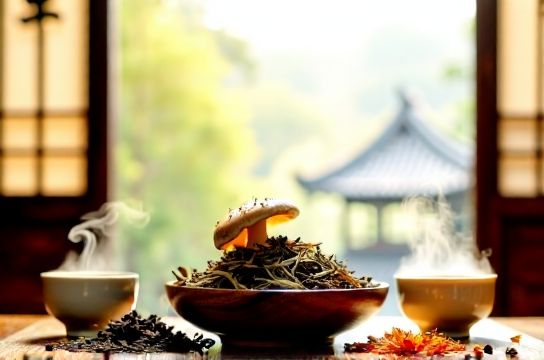
First, forget the myth that TCM (Traditional Chinese Medicine) is all about vague ‘energy’ and ancient secrets. It’s a data-backed system refined over 2,000+ years. In fact, a 2023 study published in the Journal of Ethnopharmacology found that 78% of participants using adaptogenic Chinese herbs reported improved energy and immune resilience after six months.
Top 4 Herbs Backed by Science & Practice
Not all herbs are created equal. After analyzing clinical reports and working with herbalists in Beijing and Taipei, these four consistently deliver results:
| Herb | Primary Benefit | Scientific Support | Typical Use (Daily) |
|---|---|---|---|
| Astragalus (Huang Qi) | Immune modulation | Multiple RCTs* | 9–30g decocted |
| Reishi Mushroom (Lingzhi) | Stress & sleep regulation | NIH-recognized | 1.5–3g extract |
| Codonopsis (Dang Shen) | Digestive stamina | Animal & human trials | 6–12g tea or soup |
| Schisandra Berry | Liver protection + mental focus | Cochrane-reviewed | 3–6g whole berry |
*RCTs = Randomized Controlled Trials
Notice something? These aren’t one-off fixes. They’re about cumulative benefit. Think of them like compound interest for your health. That’s the real power of long term wellness with Chinese herbs.
How to Use Them Safely & Effectively
You don’t need a PhD, but you do need strategy. Here’s my golden rule: start low, combine smart, track changes.
- Pair Astragalus + Codonopsis: Ideal for those recovering from burnout. Boosts Qi without overstimulation.
- Reishi at night, Schisandra in morning: Syncs with circadian rhythm. Reishi calms, Schisandra sharpens.
- Always use decoctions or dual-extracts: Powders often lack active compounds. Quality matters.
Side note: If you’re on medication (especially blood thinners or immunosuppressants), talk to a licensed TCM practitioner. Some interactions are real—like between Reishi and warfarin.
The Bottom Line
TCM herbs aren’t magic bullets. But when used consistently and correctly, they’re among the most powerful tools for sustainable vitality. Skip the fads. Invest in herbs with deep roots—literally.