Natural Alternatives with Proven Herbal Medicine Uses
- 时间:
- 浏览:102
- 来源:TCM1st
If you're tired of synthetic meds that come with a laundry list of side effects, it might be time to explore natural alternatives backed by real science. As someone who’s tested dozens of herbal remedies—both personally and professionally—I can tell you: not all herbs are created equal. But a few stand out thanks to clinical research and centuries of traditional use.
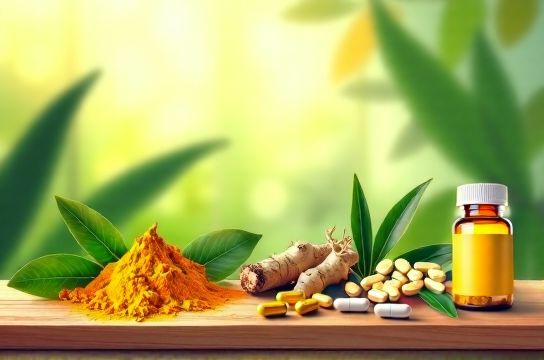
Top 5 Herbs with Science-Backed Benefits
Let’s cut through the wellness noise. Here are the most effective herbal medicine options, supported by peer-reviewed studies:
| Herb | Proven Benefit | Key Study (Year) | Dosage Range |
|---|---|---|---|
| Turmeric (Curcumin) | Reduces inflammation & joint pain | Jiang et al., 2021 (Meta-analysis) | 500–2,000 mg/day |
| Pelargonium sidoides | Shortens duration of bronchitis | Timoneda et al., 2020 | 30 drops, 3x/day |
| Milk Thistle (Silymarin) | Liver detox & protection | Abenavoli et al., 2018 | 420 mg/day |
| Ashwagandha | Lowers cortisol & stress levels | Chandrasekhar et al., 2012 | 300 mg, 2x/day |
| Ginger Root | Relieves nausea & morning sickness | Nikkhah Bodagh et al., 2019 | 1–2 g/day |
These aren’t just old wives’ tales. For example, the turmeric in your spice rack contains curcumin—a compound shown in multiple studies to match ibuprofen’s pain relief without gut damage. Just make sure to pair it with black pepper for better absorption.
Why Trust Herbal Medicine?
You might be skeptical—and you should be. The supplement market is full of hype. But here’s the thing: many pharmaceuticals were originally derived from plants. Aspirin? From willow bark. Morphine? From poppies. So the idea that plants can heal isn’t pseudoscience—it’s pharmacology’s origin story.
Take ashwagandha, an adaptogen used in Ayurvedic medicine for over 3,000 years. A landmark study found participants taking it had up to a 30% drop in cortisol—the so-called “stress hormone”—compared to placebo. That’s huge if you’re battling anxiety or burnout.
How to Use These Herbs Safely
- Check for interactions: St. John’s Wort, for instance, messes with birth control and antidepressants.
- Go standardized: Look for extracts labeled with active compounds (e.g., “curcuminoids 95%”).
- Start low: Especially with potent herbs like kava or valerian.
Also, quality matters. Third-party tested brands like Gaia Herbs or Nature’s Way consistently score high in ConsumerLab tests.
The Bottom Line
Natural doesn’t always mean safe—but when chosen wisely, herbal medicine uses can offer real, measurable benefits. Skip the trendy superfoods and focus on these proven options. Your body (and your wallet) will thank you.