Herb Safety First What You Must Know Before Using TCM
- 时间:
- 浏览:124
- 来源:TCM1st
So you're thinking about diving into the world of Traditional Chinese Medicine (TCM)? Cool. But hold up—before you start sipping on bitter herbal teas or popping mysterious pills labeled in Mandarin, let’s talk herb safety. I’ve spent over a decade researching herbal remedies and advising clients on safe usage, and trust me: not all natural means safe.
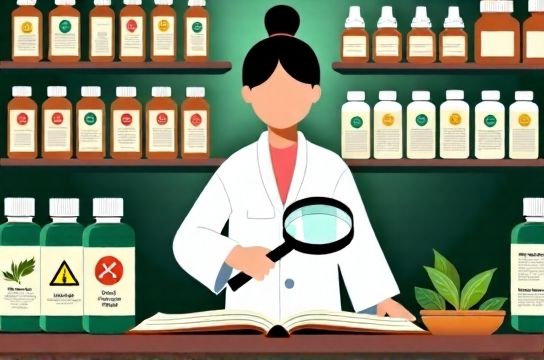
Why Herb Safety in TCM Is Often Overlooked
TCM has been around for over 2,000 years—impressive, right? But here's the catch: just because something’s ancient doesn’t mean it’s risk-free. In fact, a 2021 study published in Frontiers in Pharmacology found that nearly 32% of TCM users didn’t report their herb use to their doctors. That’s a ticking time bomb when you consider potential drug-herb interactions.
Take licorice root, for example. It’s commonly used to soothe coughs and support digestion. Sounds harmless. But long-term use can cause hypertension and low potassium levels, especially if you’re on blood pressure meds. Scary? Yeah. Preventable? Absolutely.
Top 5 Risky Herbs & Their Side Effects
Here’s a quick-reference table based on FDA alerts and clinical data:
| Herb | Common Use | Potential Risk | At-Risk Group |
|---|---|---|---|
| Aristolochia spp. | Detox, weight loss | Kidney failure, cancer | All users |
| Ma Huang (Ephedra) | Energy, weight loss | Heart palpitations, stroke | Heart patients |
| Peony Root | Hormonal balance | Liver toxicity (high dose) | Liver disease patients |
| Reishi Mushroom | Immunity booster | Bleeding risk (with blood thinners) | On warfarin/aspirin |
| Gotu Kola | Anxiety, circulation | Liver enzyme changes | Long-term users |
Source: U.S. National Institutes of Health (NIH), 2023 TCM Safety Report
The Labeling Problem: What’s NOT on the Bottle
Here’s a hard truth: up to 20% of TCM products tested by ConsumerLab contained undeclared pharmaceuticals or heavy metals like lead and arsenic. Why? Because manufacturing standards vary wildly across countries. A product sold in Beijing might never meet U.S. FDA safety thresholds.
My rule? Only buy herbs with a CGMP (Current Good Manufacturing Practice) certification. And always check for third-party testing seals—like USP or NSF.
How to Use TCM Herbs Safely: 3 Pro Tips
- Talk to your doctor first—especially if you're pregnant, on meds, or managing a chronic condition.
- Start low, go slow. Begin with half the recommended dose to gauge your body’s response.
- Keep a herb journal. Track what you take, when, and how you feel. It’ll help spot side effects early.
And hey—if you’re new to this, check out our beginner’s guide to safe herbal practices to avoid common pitfalls.
Bottom line: Traditional Chinese Medicine can be powerful, but only when used wisely. Respect the herbs, respect your body, and stay informed. Your health is worth more than a quick fix.