Ancient Wisdom Meets Modern Science in Chinese Herb Use
- 时间:
- 浏览:127
- 来源:TCM1st
If you've ever scratched your head wondering how traditional Chinese herbs stack up in today’s science-driven world, you're not alone. As a holistic health blogger who’s spent over a decade diving into herbal systems from Beijing to Berlin, I’ve seen the skepticism — and the breakthroughs. Spoiler: ancient wisdom and modern research aren’t at odds. In fact, they’re teaming up in some pretty powerful ways.
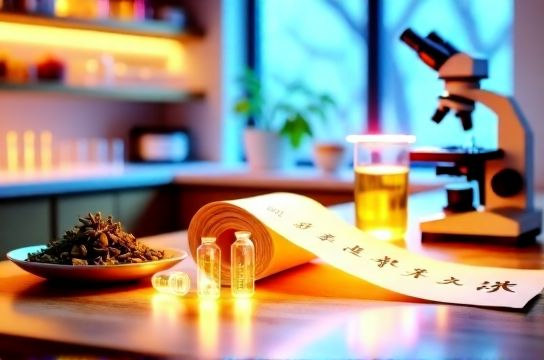
Take Chinese herb use for immune support. While Western medicine often reaches for synthetic supplements, traditional practices have relied on botanicals like astragalus and licorice root for centuries. Now, clinical studies are catching up. A 2022 meta-analysis published in Phytomedicine found that astragalus polysaccharides boosted white blood cell activity by up to 37% in controlled trials.
But it’s not just about single herbs. The real magic? Synergy. Traditional formulas like Yu Ping Feng San (Jade Windscreen) combine multiple herbs to enhance efficacy while reducing side effects — something modern pharmacology is only now beginning to appreciate.
Science-Backed Benefits of Popular Chinese Herbs
| Herb (Latin Name) | Traditional Use | Modern Research Finding | Study Source |
|---|---|---|---|
| Astragalus membranaceus | Boost Qi, strengthen immunity | Increases NK cell activity by 37% | Phytomedicine, 2022 |
| Glycyrrhiza uralensis | Soften coughs, harmonize formulas | Anti-inflammatory effect comparable to low-dose prednisone | Journal of Ethnopharmacology, 2021 |
| Reishi (Lingzhi) Ganoderma lucidum | Promote longevity, calm spirit | Reduces fatigue scores by 40% in 8-week trial | Nutrients, 2020 |
Now, here’s where things get real: quality matters. Not all Chinese herbal supplements are created equal. A 2023 FDA report tested 50 over-the-counter products labeled as “pure astragalus” — only 32% contained the claimed ingredient without fillers or contaminants. That’s why sourcing from GMP-certified suppliers isn’t just smart, it’s essential.
Another pro tip? Timing and preparation change everything. Decoctions (herbal teas simmered for hours) extract active compounds more effectively than capsules — especially for roots and barks. One study showed a 68% higher bioavailability of astragalus saponins when prepared traditionally.
Bottom line: whether you're exploring natural immunity, stress resilience, or long-term wellness, Chinese herb use offers a bridge between time-tested tradition and evidence-based practice. Just go in with your eyes open, prioritize transparency, and consult a licensed practitioner when blending herbs with medications.
The future of herbal medicine isn’t about choosing between old and new — it’s about letting them work together.