Understanding Dosage in Chinese Herbal Medicines Safely
- 时间:
- 浏览:124
- 来源:TCM1st
If you're diving into the world of natural health, you've probably heard about Chinese herbal medicines. But here's the real talk: just because it's "natural" doesn’t mean it’s automatically safe. One of the biggest mistakes people make? Ignoring proper dosage. As someone who’s spent years reviewing clinical studies and working with herbalists, I’m breaking down how to use these powerful remedies safely—without overdoing it.
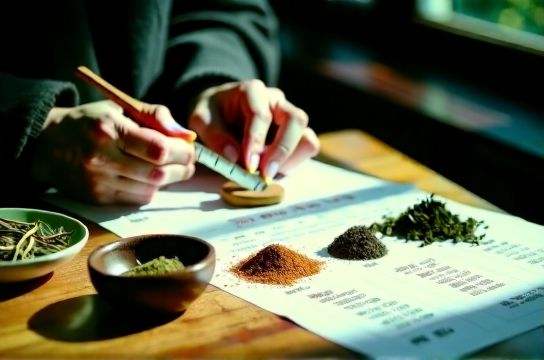
Why Dosage Matters More Than You Think
Unlike synthetic drugs, herbal formulas work through complex interactions. That means small changes in dose can lead to big differences in effect—or side effects. For example, ginseng can boost energy at 2–3 grams daily but may cause insomnia or high blood pressure at higher doses.
The World Health Organization (WHO) reports that improper use of herbal products contributes to nearly 20% of herb-related adverse events globally. Most cases? Linked to incorrect dosing.
Common Herbs & Safe Daily Ranges
Here’s a quick-reference table based on clinical guidelines from the American Herbalists Guild and Chinese Pharmacopoeia:
| Herb (Latin Name) | Common Use | Safe Daily Dose | Potential Risk if Overused |
|---|---|---|---|
| Ginseng (Panax ginseng) | Energy, focus | 1–3 g dried root | Insomnia, hypertension |
| Astragalus (Astragalus membranaceus) | Immune support | 9–30 g decoction | Digestive upset |
| Goji Berry (Lycium barbarum) | Antioxidant, eye health | 6–15 g dried | Low blood sugar |
| Reishi Mushroom (Ganoderma lucidum) | Stress, sleep | 1.5–9 g extract | Dizziness, dry mouth |
Notice something? There’s a range—not a one-size-fits-all number. Your age, weight, and health status all matter.
Forms Matter: Tea vs. Capsule vs. Tincture
You might think 1 gram is 1 gram, right? Nope. Bioavailability varies wildly by preparation. A tincture absorbs faster than a pill. A decoction (boiled herb tea) extracts more active compounds than a simple infusion.
- Decoctions: Best for roots and barks (like astragalus). Up to 40% more potent than capsules.
- Capsules: Convenient but may have fillers. Check third-party testing labels.
- Tinctures: Alcohol-based extracts; dosed in drops (usually 30–60 drops = 1–2 mL).
Red Flags: When to Back Off
Even safe herbs can turn risky if you’re pregnant, on meds, or have chronic conditions. Echinacea, while great for colds, can overstimulate the immune system in autoimmune disorders. Always consult a trained practitioner before starting any new herbal regimen.
Also, watch for quality. A 2021 study found 30% of herbal supplements contained contaminants or unlisted ingredients. Stick to brands with transparent sourcing and COAs (Certificates of Analysis).
The Bottom Line
Chinese herbal medicine is powerful—but power demands respect. Know your dose, know your source, and know your body. When used wisely, these herbs aren’t just tradition—they’re science-backed tools for better health.