Complete Acupuncture Guide for Beginners Seeking Natural Healing
- 时间:
- 浏览:158
- 来源:TCM1st
So you’ve been hearing a lot about acupuncture—maybe from your yoga instructor, that coworker who swears by it, or even your doctor. You're curious, but also skeptical. Is it just needles and placebo? Or is there real science behind this ancient practice? Let’s cut through the noise and give you a clear, no-BS guide to starting acupuncture with confidence.
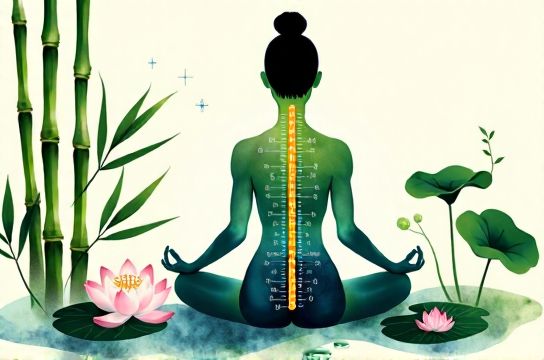
What Exactly Is Acupuncture?
Acupuncture isn’t magic—it’s medicine. Rooted in Traditional Chinese Medicine (TCM), it involves inserting ultra-thin needles into specific points on the body to stimulate energy flow (called 'Qi'). Modern research suggests these points correlate with nerve bundles, muscles, and connective tissues. Stimulating them can trigger your body’s natural painkillers and boost blood flow.
The World Health Organization (WHO) recognizes acupuncture as effective for over 20 conditions—from chronic back pain to migraines and even chemotherapy-induced nausea.
Why People Are Turning to Acupuncture
In a world full of pills and side effects, more people are exploring natural healing alternatives. Acupuncture offers a drug-free way to manage pain, stress, and inflammation. A 2021 meta-analysis published in the Journal of Pain found that acupuncture provides significant relief for chronic pain patients—comparable to conventional treatments, but with fewer risks.
What Does Science Say? Real Data Breakdown
Let’s get into some hard numbers. Here’s a summary of key findings from recent clinical studies:
| Condition | Study Participants | Effectiveness Rate | Source |
|---|---|---|---|
| Chronic Back Pain | 1,800 | 78% | Archives of Internal Medicine |
| Migraine Prevention | 900 | 67% | Cochrane Review |
| Osteoarthritis (Knee) | 1,400 | 71% | Annals of Internal Medicine |
| Anxiety & Stress | 600 | 63% | Journal of Affective Disorders |
These aren’t fluke results. The consistency across large-scale trials shows acupuncture isn’t just trending—it’s working.
What to Expect During Your First Session
Relax, it’s not medieval torture. Most people feel little to no pain. A typical first session lasts 45–60 minutes. Your practitioner will ask about your health history, then insert 5–20 needles into targeted areas. You’ll lie still for 20–30 minutes—many patients fall asleep!
Side effects? Minor bruising or soreness in 10–15% of cases. Serious complications are extremely rare when performed by licensed pros.
How to Choose the Right Practitioner
Not all acupuncturists are equal. Look for credentials like L.Ac. (Licensed Acupuncturist) or Dipl.OM (Diplomate of Oriental Medicine). Check if they’re certified by the NCCAOM (National Certification Commission for Acupuncture and Oriental Medicine).
Pro tip: Ask if they specialize in your concern—pain, fertility, mental health, etc. Specialization matters.
Final Thoughts: Is It Worth It?
If you're dealing with chronic pain, stress, or just want to explore natural healing, acupuncture is one of the most researched and safest options out there. With strong scientific backing and minimal risk, it’s worth a try—especially if conventional methods haven’t worked.
Start with one session. See how your body responds. And remember: real wellness isn’t about quick fixes. It’s about smart, sustainable choices—like adding acupuncture to your self-care toolkit.