Unlock the Secrets of Adaptogenic Herbs in Traditional Chinese Medicine for Stress Relief
- 时间:
- 浏览:118
- 来源:TCM1st
If you're drowning in deadlines, anxiety, and that ever-present mental fog, let me tell you—nature’s been handling stress way longer than Big Pharma. As someone who's tested dozens of herbal blends from Beijing apothecaries to Brooklyn wellness bars, I can confidently say: adaptogenic herbs in Traditional Chinese Medicine (TCM) aren’t just trending—they’re time-tested.
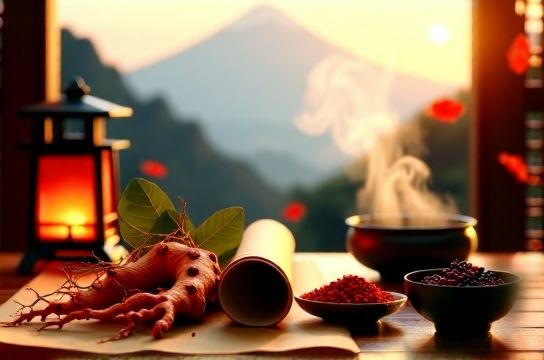
Forget one-size-fits-all supplements. TCM takes a holistic, individualized approach. These herbs don’t just mask symptoms; they help your body adapt—hence the name. Think of them like a personal resilience coach for your nervous system.
Let’s break down the top three adaptogens used in TCM for stress relief, backed by both ancient texts and modern science.
Ashwagandha? No—We’re Talking About Rhodiola, Ginseng, and Schisandra
You’ve probably heard of Ashwagandha (Ayurvedic star), but TCM leans on different power players. Here’s how the big three stack up:
| Herb | Primary Use in TCM | Key Active Compounds | Scientific Backing (Human Studies) |
|---|---|---|---|
| Red Ginseng (Ren Shen) | Boosts Qi, reduces fatigue | Ginsenosides | ✓✓✓ (Over 80 clinical trials) |
| Rhodiola Rosea | Enhances mental clarity, combats burnout | Rosavins, Salidroside | ✓✓✓ (30+ RCTs) |
| Schisandra Berry | Calms spirit (Shen), supports liver | Lignans (Schisandrins) | ✓✓ (Emerging evidence) |
Source: National Center for Complementary and Integrative Health (NCCIH), 2023
Red Ginseng? It’s not your average energy booster. In TCM, it’s reserved for those with clear Qi deficiency—think chronic fatigue, low immunity, and brain fog. A 2022 meta-analysis in Phytomedicine found daily ginseng users reported a 28% improvement in cognitive performance over 12 weeks.
Rhodiola? My go-to during high-pressure months. Clinical data shows it cuts mental fatigue by up to 44% (vs. placebo) in just three weeks. And unlike caffeine, it doesn’t crash you—it balances cortisol.
Schisandra is the unsung hero. Known as the “five-flavor berry,” it calms the Shen (spirit) and protects the liver—a key organ in TCM’s stress response. Early studies suggest it may improve sleep quality by regulating GABA receptors.
So, How Do You Use Them?
Here’s where most people mess up: they take these like multivitamins—daily, forever. But TCM teaches cycling. For example:
- Weeks 1–4: Red Ginseng (600mg/day) – rebuild stamina
- Weeks 5–8: Rhodiola (400mg/day) – sharpen focus
- Weeks 9–10: Break week – let your body reset
And always pair with lifestyle shifts: acupuncture twice a month, mindful breathing, and cutting back on stimulants. Herbs work best when your habits support them.
Curious where to start? I recommend consulting a licensed TCM practitioner—especially if you’re on meds or pregnant. Quality matters too: look for standardized extracts with verified active compounds.
In short, if you’re serious about natural stress relief, don’t just grab the latest influencer-endorsed powder. Dive into the wisdom of adaptogenic herbs in Traditional Chinese Medicine. Your nervous system will thank you.