Explore Adaptogenic Herbs in Traditional Chinese Medicine Practices
- 时间:
- 浏览:102
- 来源:TCM1st
If you've been diving into natural wellness trends lately, you’ve probably heard the buzz around adaptogenic herbs. But here’s the real tea—long before they became Instagram-famous, these power players were already hard at work in Traditional Chinese Medicine (TCM). As someone who’s spent years researching herbal systems across cultures, I can tell you: TCM doesn’t just use adaptogens—it perfected them.
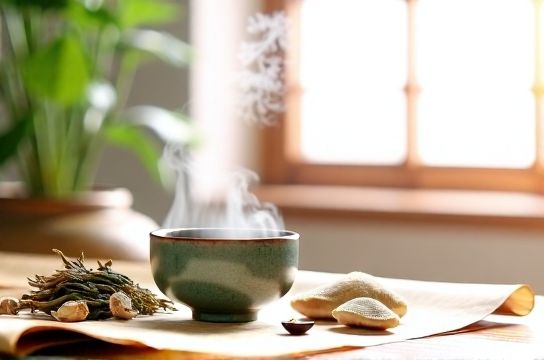
So what exactly are adaptogens? In simple terms, they’re natural substances that help your body adapt to stress, balance hormones, and maintain homeostasis. But not all adaptogens are created equal. The ones rooted in TCM stand out because of their centuries-old clinical use, backed by both observational data and modern science.
Let’s break down the top three TCM adaptogens you need to know:
1. Ren Shen (Panax Ginseng)
This is the OG of energy-boosting herbs. Studies show Panax ginseng improves mental performance and reduces fatigue—especially in people under chronic stress (Journal of Ginseng Research, 2020). It works by modulating cortisol levels and supporting adrenal function.
2. Huang Qi (Astragalus membranaceus)
Think of this one as your immune system’s wingman. Clinical trials indicate astragalus enhances white blood cell activity and may even support longevity through telomerase activation (Oxidative Medicine and Cellular Longevity, 2019).
3. He Shou Wu (Polygonum multiflorum)
Lesser-known globally but a staple in TCM for vitality and liver health. Traditionally used to promote hair darkening and increase stamina. Caution: must be properly processed to avoid liver toxicity.
To help you compare, here's a quick snapshot of their key benefits:
| Herb (Latin Name) | Primary Benefit | Scientific Support Level | Typical Use Duration |
|---|---|---|---|
| Panax ginseng | Energy & cognition | High (RCTs) | 6–12 weeks |
| Astragalus membranaceus | Immune support | Moderate–High | Long-term (3+ months) |
| Polygonum multiflorum | Vitality & aging | Moderate (traditional + emerging) | Intermittent cycles |
Now, here’s where things get real: quality matters. A 2021 study found up to 40% of commercial herbal supplements don’t match their label claims. That’s why I always recommend sourcing from GMP-certified suppliers who test for active compounds like ginsenosides or astragalosides.
Also, don’t fall for the “more is better” myth. Adaptogens work best when rotated or combined thoughtfully. For example, pairing astragalus with reishi mushroom during cold season can amplify immune resilience without overstimulation.
In short, if you're exploring adaptogenic herbs, start with those deeply rooted in TCM traditions. They offer a rare blend of historical wisdom and scientific validation. Just remember—consistency, correct dosing, and quality sourcing make all the difference.