Turmeric in Traditional Herbal Therapy for Inflammation Control
- 时间:
- 浏览:112
- 来源:TCM1st
If you've been digging into natural ways to fight inflammation, you’ve probably heard about turmeric—the golden spice that’s been used for centuries in traditional herbal therapy. But is it really as powerful as people say? Let’s break it down with real data, expert insights, and a few surprises you might not know.
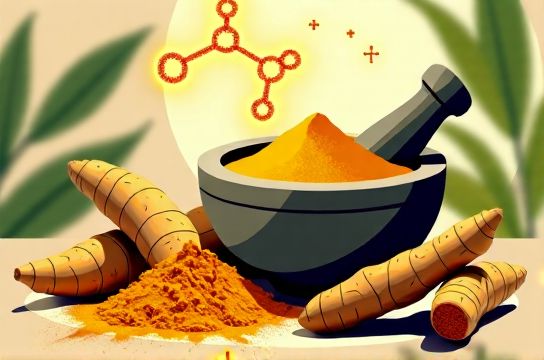
Turmeric, especially its active compound curcumin, has shown impressive anti-inflammatory effects in clinical studies. In fact, research published in the Journal of Medicinal Food found that 500–2,000 mg of curcumin daily significantly reduced inflammatory markers like CRP (C-reactive protein) in patients with metabolic syndrome—comparable to some NSAIDs, but without the gut damage.
But here's the catch: curcumin is poorly absorbed on its own. That’s why traditional practices often combine turmeric with black pepper (which contains piperine). One study showed that adding just 20 mg of piperine boosts curcumin absorption by 2,000%. Mind = blown.
So how does turmeric stack up against other popular herbal remedies for inflammation? Here's a quick comparison:
| Herb | Active Compound | Typical Dose (Daily) | Effect on CRP | Time to Noticeable Effect |
|---|---|---|---|---|
| Turmeric (Curcumin) | Curcuminoids | 500–2,000 mg | ↓ 30–60% | 4–8 weeks |
| Ginger | Gingerols | 1,000–2,000 mg | ↓ 20–30% | 6–10 weeks |
| Boswellia | Boswellic acids | 300–500 mg | ↓ 40–50% | 3–6 weeks |
| Fish Oil (EPA/DHA) | Omega-3s | 2,000–4,000 mg | ↓ 25–45% | 6–12 weeks |
As you can see, turmeric in traditional herbal therapy holds its own—especially when bioavailability is optimized. Look for supplements labeled “with black pepper extract” or “phospholipid-bound” (like Meriva®), which improve retention in the bloodstream.
Real talk: turmeric isn’t a magic bullet. It works best as part of a broader anti-inflammatory lifestyle—think whole foods, quality sleep, and stress management. And while fresh turmeric root or powders are great in cooking, they usually don’t deliver enough curcumin for therapeutic impact unless you’re eating curry three times a day (not a bad plan, honestly).
Bottom line? If you're serious about natural inflammation control, high-potency, well-formulated turmeric supplements are worth considering. Just don’t skip the piperine—and be patient. Results build over weeks, not days.