Red Date as a Nourishing Tonic in Chinese Herbal Formulations
- 时间:
- 浏览:165
- 来源:TCM1st
If you're diving into the world of Chinese herbal medicine, there's one ingredient you'll keep bumping into: the humble red date—also known as hong zao or Jujube. Don’t let its sweet, chewy vibe fool you; this little brown gem is a powerhouse in traditional formulas, praised for centuries for boosting energy, calming the mind, and supporting overall vitality.
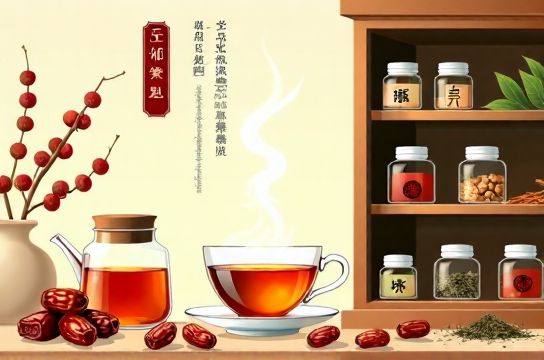
I’ve spent years researching herbal tonics, comparing clinical studies with real-world usage, and honestly? Red dates deserve more spotlight. They’re not just filler ingredients—they’re functional, synergistic, and backed by both tradition and science.
Why Red Dates Are a Staple in Herbal Blends
In Chinese herbal formulations, red dates (Ziziphus jujuba) are classified as a tonic for Qi and Blood. That means they help fight fatigue, improve digestion, and nourish the body from within. But what really sets them apart is their role as a ‘harmonizing’ herb. In classic formulas like Si Wu Tang or Bu Zhong Yi Qi Tang, red dates smooth out the effects of stronger, more potent herbs—reducing side effects and improving absorption.
According to a 2021 review published in the Journal of Ethnopharmacology, red dates contain triterpenoids, flavonoids, and polysaccharides that show anti-inflammatory, antioxidant, and liver-protective effects. One study even found that daily consumption improved sleep quality and reduced anxiety in participants after just two weeks.
Nutritional Profile: What’s Inside a Red Date?
Let’s break it down. Here’s a snapshot of key nutrients per 100g of dried red dates:
| Nutrient | Amount | % Daily Value* |
|---|---|---|
| Calories | 280 kcal | 14% |
| Dietary Fiber | 6.5 g | 23% |
| Vitamin C | 69 mg | 77% |
| Potassium | 698 mg | 20% |
| Iron | 2.7 mg | 15% |
*Based on a 2,000-calorie diet. Values are approximate.
That’s a serious nutrient punch—especially for an herb that also tastes like nature’s candy.
How to Use Red Dates Effectively
You can eat them raw (3–5 dates a day), but for deeper tonic effects, simmer them in teas or soups. I personally add 3–4 pitted red dates to my morning Qi-boosting decoction—it adds sweetness and balances any bitterness from astragalus or licorice.
Pro tip: Always remove the seed. While the flesh is nourishing, the seed can be mildly stimulating and may interfere with sleep if consumed late in the day.
Who Should Be Cautious?
Despite their gentle nature, red dates aren’t for everyone. People with diabetes should monitor intake due to natural sugars. Also, if you're on blood thinners, consult your practitioner—red dates may interact with anticoagulant effects due to vitamin K content.
Bottom line? Red dates aren’t just symbolic of good health in Chinese culture—they’re a clinically relevant, accessible, and effective tonic. Whether you're new to herbs or building complex formulas, this ancient remedy earns its place in your cabinet.