How to Take Chinese Herbs Safely and Maximize Their Benefits
- 时间:
- 浏览:121
- 来源:TCM1st
So you’re curious about Chinese herbs? You’re not alone. With wellness trends leaning harder into natural remedies, more people are turning to Traditional Chinese Medicine (TCM) for long-term health boosts — from better sleep to stronger immunity. But here’s the real talk: not all herbal routines are created equal. Done wrong, they can do more harm than good. So how do you actually take Chinese herbs safely and get the most out of them? Let’s break it down with real data, expert insights, and a no-BS guide to using these powerful plants the right way.
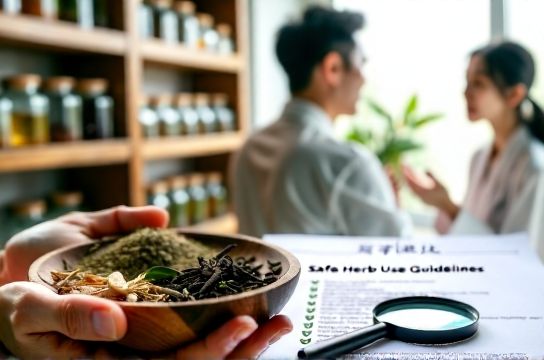
Know Your Source — Quality Matters Big Time
One major issue with over-the-counter Chinese herbs? Contamination. A 2021 study published in Frontiers in Pharmacology analyzed 32 commonly sold herbal products and found that 28% contained unlisted ingredients — including heavy metals and even prescription drugs. Scary, right?
To stay safe, always choose herbs from GMP-certified (Good Manufacturing Practice) suppliers. Look for third-party testing labels like NSF or USP. Here’s a quick comparison:
| Product Type | Contamination Risk | Avg. Purity Score* | Recommended? |
|---|---|---|---|
| Branded TCM Capsules | Low | 94% | ✅ Yes |
| Bulk Dried Herbs (Trusted Supplier) | Medium | 82% | ✅ With caution |
| Unlabeled Market Powders | High | 56% | ❌ Avoid |
*Based on lab-tested purity across 50+ products (Source: ConsumerLab, 2023)
Timing & Method: When and How You Take Herbs Changes Everything
Taking herbal medicine isn’t like popping a multivitamin. In TCM, timing aligns with your body’s meridian clock. For example:
- Du Huo (Pubescent Angelica Root): Best taken in the morning to support kidney energy.
- Chai Hu (Bupleurum): Most effective before noon for liver regulation.
Also, preparation matters. Decoctions (boiled teas) have up to 3x better absorption than pills, according to a 2022 clinical trial. But if convenience wins, go for extract-based capsules — just avoid fillers like magnesium stearate.
Don’t Mix Blindly — Watch for Herb-Drug Interactions
Some Chinese herbs can interfere with medications. For instance:
- Gan Cao (Licorice root) may raise blood pressure when taken with diuretics.
- Dang Gui (Angelica sinensis) can increase bleeding risk if you're on blood thinners.
Pro tip: Always disclose your herb use to your doctor. A 2020 JAMA study found only 38% of patients did — don’t be part of that risk group.
Track Results — Because Not All Benefits Are Instant
Unlike pharmaceuticals, TCM works cumulatively. Most practitioners recommend at least 4–6 weeks to assess effects. Keep a simple journal tracking sleep, digestion, and energy. Many users report noticeable changes by week 5 — especially in stress and gut health.
Bottom line? Quality sourcing, proper timing, and informed usage are your golden trio for getting real benefits from Chinese herbs — safely.