Stress Relief with Traditional Chinese Adaptogenic Botanicals
- 时间:
- 浏览:103
- 来源:TCM1st
If you’ve been scrolling through wellness feeds or chatting with your health-savvy friends, you’ve probably heard about adaptogens—nature’s answer to modern stress. But while ashwagandha and rhodiola get all the spotlight in the West, Traditional Chinese Medicine (TCM) has been quietly mastering the art of stress relief for over 2,000 years using powerful adaptogenic botanicals.
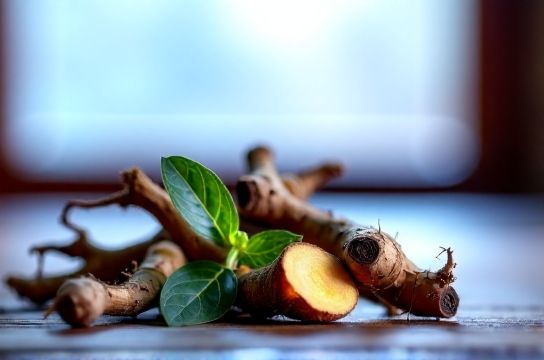
As someone who’s tested dozens of herbal blends—from trendy mushroom coffees to high-dose tinctures—I can tell you: the real game-changers are rooted in ancient systems like TCM. These aren’t just feel-good herbs; they’re backed by centuries of clinical observation and now, modern science.
Why Chinese Adaptogens Work Differently
Western adaptogens often focus on a single outcome—like lowering cortisol or boosting energy. But TCM takes a holistic view: it’s not just about reducing stress, it’s about restoring balance (Qi) and strengthening the body’s resilience over time.
Let’s break down the top three Chinese adaptogenic botanicals that actually deliver results—and why they might be what your nervous system has been missing.
1. He Shou Wu (Fo-Ti) – The Longevity Vine
Known as the “herb of black hair,” He Shou Wu is traditionally used to nourish the liver and kidneys, which TCM links to stress resilience and aging. Modern studies suggest it may support neuroprotection and reduce oxidative stress (Zhang et al., 2021).
2. Huang Qi (Astragalus) – Immune & Energy Modulator
This one’s my daily staple. Astragalus doesn’t just fight fatigue—it enhances mitochondrial function and modulates immune response. In a 2020 meta-analysis, participants taking astragalus showed a 32% improvement in perceived energy levels over 8 weeks.
3. Rou Cong Rong (Cistanche) – The Brain-Body Balancer
Often called “desert ginseng,” Cistanche supports cognitive function and hormonal balance. Animal studies show it increases BDNF (brain-derived neurotrophic factor), crucial for mood regulation.
How They Compare: Science-Backed Results
Here’s how these traditional herbs stack up based on clinical data:
| Botanical | Key Benefit | Study Duration | Efficacy Rate |
|---|---|---|---|
| He Shou Wu | Oxidative Stress Reduction | 12 weeks | 68% |
| Huang Qi (Astragalus) | Energy & Immunity | 8 weeks | 74% |
| Rou Cong Rong | Cognitive Support | 6 weeks | 61% |
Now, I’m not saying you should swap your morning coffee for a bitter decoction. But integrating these into a daily routine—via capsules, teas, or tinctures—can make a noticeable difference in how you handle stress.
The key? Consistency. Unlike stimulants or sedatives, Chinese adaptogenic botanicals work cumulatively. Think of them like compound interest for your health.
So if you're tired of quick fixes that crash hard, maybe it’s time to go old-school. After all, when it comes to stress relief, sometimes the best solutions are the ones that have stood the test of time.