Safety Guidelines for Using Chinese Herbs and Avoiding Side Effects
- 时间:
- 浏览:129
- 来源:TCM1st
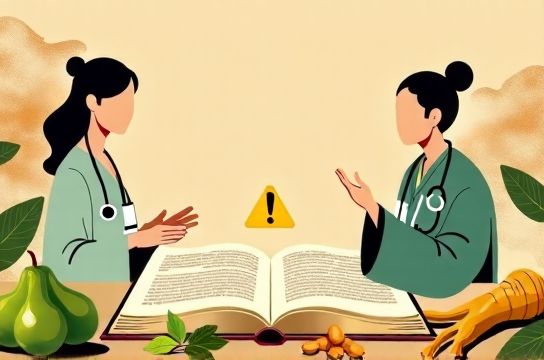
If you're diving into natural wellness, Chinese herbs might already be on your radar. Used for over 2,000 years in Traditional Chinese Medicine (TCM), these plant-based remedies are praised for balancing the body’s energy—known as Qi. But here’s the real talk: just because it’s ‘natural’ doesn’t mean it’s automatically safe.
Why Safety Matters with Chinese Herbs
I’ve seen too many people treat herbal supplements like candy—grab a capsule here, mix a few powders there, no questions asked. Big mistake. Some Chinese herbs can interact with medications or cause liver damage if used incorrectly. According to a 2021 study published in Frontiers in Pharmacology, nearly 18% of drug-induced liver injuries in Asia were linked to improper use of TCM products.
Top 5 Herbs & Their Risks (Backed by Data)
Let’s break down some commonly used herbs and what science says about their safety:
| Herb (Latin Name) | Common Use | Potential Side Effect | Scientific Risk Level |
|---|---|---|---|
| Astragalus membranaceus | Immune support | Autoimmune flare-ups | Moderate |
| Glycyrrhiza uralensis (Licorice Root) | Anti-inflammatory | High blood pressure, low potassium | High |
| Coptis chinensis | Digestive issues | Liver toxicity in high doses | High |
| Zingiber officinale (Ginger – TCM-approved) | Nausea relief | Heartburn, blood thinning | Low |
| Panax ginseng | Energy booster | Insomnia, anxiety | Moderate |
See that? Licorice root and Coptis? Super powerful—but not something to self-prescribe.
3 Pro Tips to Use Chinese Herbs Safely
- Consult a Licensed TCM Practitioner: Seriously. A qualified herbalist will tailor blends to your constitution and avoid dangerous combos. In China, TCM doctors undergo 5+ years of training—don’t skip this step.
- Check for Heavy Metals & Contaminants: A 2020 FDA report found that 15% of imported herbal products contained lead, arsenic, or undeclared pharmaceuticals. Buy from brands with third-party lab testing (look for GMP certification).
- Watch for Drug Interactions: For example, ginseng can reduce the effectiveness of blood thinners like warfarin. Always disclose your herb use to your doctor.
The Bottom Line
Chinese herbs are a treasure trove of healing potential—but they’re not DIY projects. Treat them with the same respect as prescription meds. When used wisely under expert guidance, they can be game-changers for long-term health. Stay informed, stay safe, and let ancient wisdom work—for you, not against you.