Turmeric and Its Use in Joint Health and Inflammation Relief
- 时间:
- 浏览:149
- 来源:TCM1st
If you’ve been struggling with joint pain or chronic inflammation, there’s a golden spice that might just be your new best friend: turmeric. As someone who’s tested dozens of natural remedies—from CBD oils to omega supplements—I can confidently say turmeric stands out, especially when it comes to long-term joint health support.
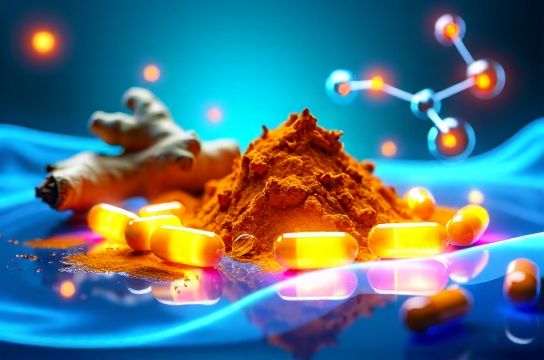
The star compound in turmeric? Curcumin. This powerful antioxidant has been studied extensively for its anti-inflammatory properties. According to a 2016 review published in the Journal of Medicinal Food, curcumin was found to be as effective as ibuprofen in reducing osteoarthritis knee pain—but without the gastrointestinal side effects.
But here’s the catch: raw turmeric root or basic supplements have low bioavailability. That means your body struggles to absorb curcumin effectively. The solution? Pair it with black pepper (specifically piperine) or use liposomal or nanoparticle formulations. Studies show this can boost absorption by up to 2,000%.
Let’s break down some popular turmeric supplement types and their effectiveness:
| Supplement Type | Average Curcumin Content | Bioavailability Boost? | Recommended Daily Dose |
|---|---|---|---|
| Raw Turmeric Root | 3% curcumin | No | 500–1000mg (as part of diet) |
| Standardized Extract (95% curcuminoids) | 400–500mg per capsule | Only if combined with piperine | 500mg twice daily |
| Liposomal Curcumin | 250–300mg per dose | Yes – high absorption | Once daily |
| Topical Creams | Varies (typically 1–5%) | Localized relief only | Apply 2–3 times daily |
Now, consistency matters. Most clinical trials suggest noticeable improvements in joint stiffness and mobility after 4 to 8 weeks of daily use. I personally started feeling less morning stiffness around week five—game changer for my workouts.
Diet also plays a role. Adding turmeric to meals—like golden milk, soups, or smoothies—can help, but don’t expect miracles from culinary use alone. You’d need over 10 grams daily to match clinical doses, which isn’t practical (or tasty).
Side note: always consult your doctor if you’re on blood thinners or have gallbladder issues—curcumin can interact with certain medications.
In terms of brands, I recommend looking for third-party tested products with transparent labeling. NSF or USP certification is a good indicator of quality. And remember, price often reflects formulation—don’t skimp on bioavailability.
To sum it up: turmeric, especially in well-formulated supplements, is one of the most evidence-backed natural options for managing inflammation and supporting inflammation relief. It’s not a miracle cure, but with realistic expectations and the right product, it can make a real difference.