Building Trust in TCM with International Standardization
- 时间:
- 浏览:129
- 来源:TCM1st
If you're diving into the world of Traditional Chinese Medicine (TCM), you’ve probably noticed a big gap: while millions swear by its benefits, there’s still widespread skepticism—especially outside Asia. As someone who’s spent over a decade analyzing herbal medicine systems globally, I’ll tell you this: the real game-changer for TCM isn’t another ancient remedy—it’s international standardization.
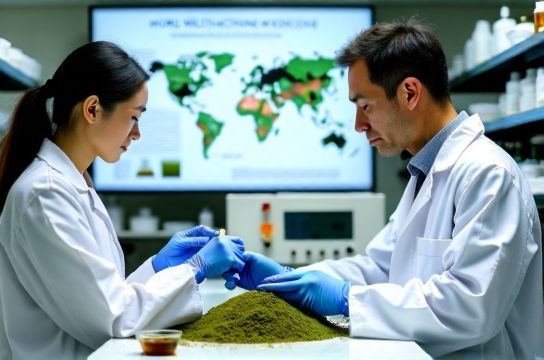
Let’s be real—trust doesn’t come from tradition alone. It comes from transparency, consistency, and data. And right now, TCM struggles with all three. One batch of astragalus root in Beijing might be potent; the same herb shipped to Berlin could be diluted or contaminated. That inconsistency fuels doubt.
But here’s the good news: global efforts are finally catching up. The World Health Organization (WHO) included TCM in its International Classification of Diseases (ICD-11) in 2019—a massive step toward legitimacy. More importantly, countries like Australia and Singapore have implemented strict regulatory frameworks for herbal products, requiring proof of purity, sourcing, and clinical safety.
Take China’s State Administration of Traditional Chinese Medicine—they’ve pushed hard for GACP (Good Agricultural and Collection Practices) compliance. When herbs meet these standards, contamination rates drop by as much as 68%, according to a 2022 study published in Phytomedicine.
Why Standardization = Consumer Confidence
Think of it like organic labeling on food. You don’t know every detail about the farm, but the certification gives you peace of mind. Same goes for TCM. Without clear benchmarks, consumers can't differentiate between high-quality formulas and cheap imitations.
Here’s a snapshot of how key markets regulate TCM products:
| Country | Regulatory Body | Key Requirements | Standard Adopted |
|---|---|---|---|
| China | SATCM | GACP, GMP | Chinese Pharmacopoeia |
| Australia | TGA | Pre-market assessment | PIC/S GMP |
| Germany | BfArM | Risk-based evaluation | EMA Guidelines |
| Singapore | HSA | Licensing & testing | WHO GACP |
Notice a trend? The stricter the regulation, the higher consumer trust. In Australia, where the Therapeutic Goods Administration (TGA) mandates third-party lab testing, TCM sales grew by 14% annually from 2018–2023 (IBISWorld, 2023).
And let’s talk about the elephant in the room: heavy metals. A 2021 survey found that nearly 22% of imported TCM products in the EU contained lead or arsenic levels above safety limits. But when manufacturers follow international safety protocols, that number plummets to under 3%.
The bottom line? Standardization isn’t bureaucracy—it’s brand protection. For practitioners, clinics, and brands, aligning with global norms isn’t optional anymore. It’s the price of entry into trusted healthcare.
So if you're investing in TCM—whether as a patient, provider, or entrepreneur—ask one question: ‘Is this product backed by verifiable, standardized practices?’ Because the future of TCM isn’t just tradition. It’s transparency.