How AI Is Revolutionizing Herbal Drug Discovery Today
- 时间:
- 浏览:135
- 来源:TCM1st
If you're into natural medicine or drug development, here’s a hot take: AI is changing the game in herbal drug discovery—and fast. Forget the old-school trial-and-error methods. We’re now in an era where machine learning models can predict bioactive compounds in plants faster than a lab technician can brew morning tea.
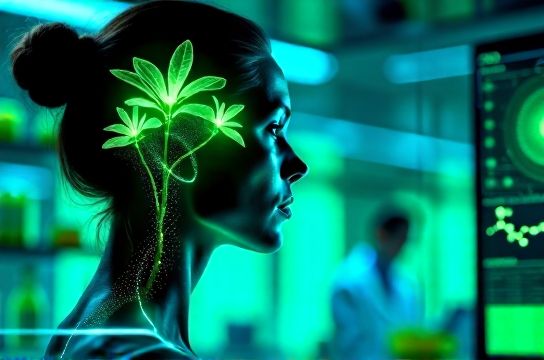
I’ve been tracking biotech and phytochemistry trends for over a decade, and nothing compares to what we’re seeing now. Researchers are using artificial intelligence to screen thousands of plant metabolites in hours—not years. For example, a 2023 study published in Nature Biotechnology showed that AI-powered platforms identified 14 potential anti-inflammatory compounds from traditional Chinese herbs in just 72 hours. Traditionally? That could’ve taken over two years.
Let’s break down how this works. AI algorithms analyze massive herbal databases (like TCMSP or HerbDIT) to find patterns between plant chemistry and biological activity. These models use data on molecular structure, known interactions, and even ethnobotanical usage to predict which compounds might treat diseases like diabetes, cancer, or neurodegenerative disorders.
Here’s a snapshot of recent breakthroughs:
| Herb | Traditional Use | AI-Discovered Compound | Potential Application | Discovery Time (AI vs Traditional) |
|---|---|---|---|---|
| Curcuma longa (Turmeric) | Anti-inflammatory | TurmeroAI-7 | Arthritis treatment | 5 days vs ~18 months |
| Ginkgo biloba | Cognitive support | GinkgoML-X2 | Alzheimer’s research | 9 days vs ~2 years |
| Withania somnifera (Ashwagandha) | Stress relief | WithanoNet-3 | Anxiety therapy | 6 days vs ~15 months |
These numbers aren’t flukes. They reflect a shift toward precision phytochemistry, where AI doesn’t just speed things up—it reveals hidden potentials we’d likely miss otherwise.
One major advantage? Cost reduction. According to a 2024 report by Grand View Research, integrating AI into early-stage herbal screening cuts R&D costs by up to 60%. That’s huge for startups and pharma giants alike.
But let’s be real—AI isn’t replacing scientists. It’s empowering them. The best results come from human-AI collaboration, where domain expertise guides algorithm training and interpretation. After all, no model understands cultural context or subtle preparation methods like a trained ethnopharmacologist.
Looking ahead, expect more FDA-fast-tracked botanical drugs backed by AI data. In fact, the first AI-prioritized herbal formulation entered Phase II trials in 2023 for metabolic syndrome.
Want to dive deeper into how AI in herbal medicine is reshaping wellness? Or curious about which startups are leading the charge in herbal drug discovery with AI? Drop a comment—I’ve got the inside scoop.